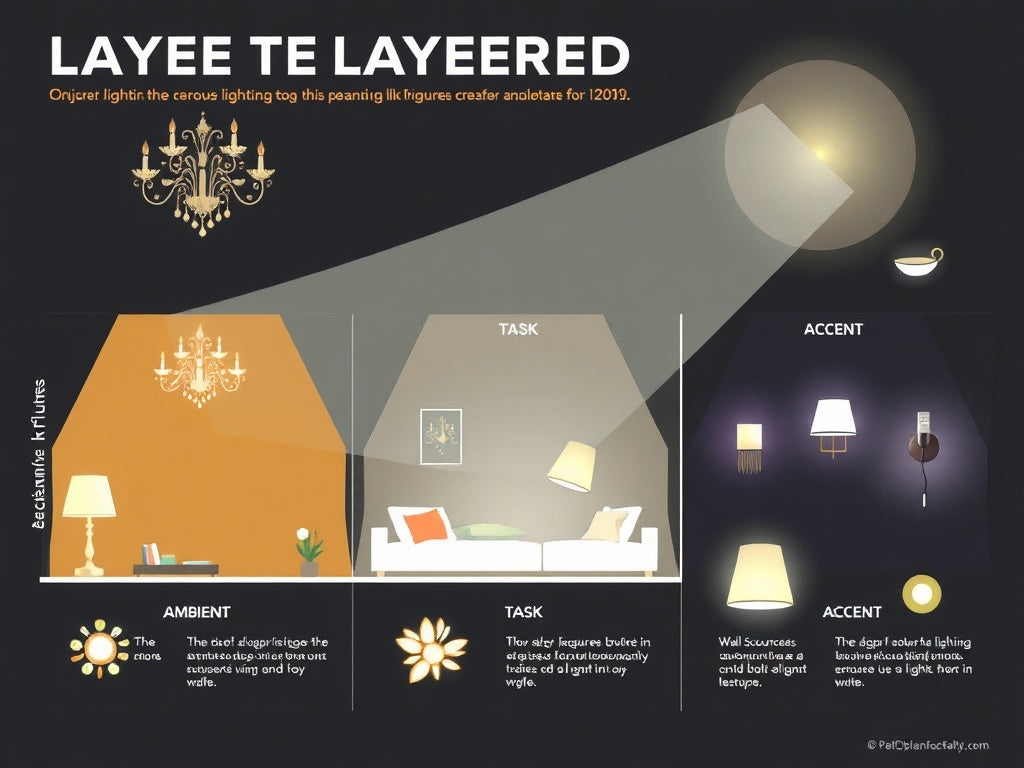

Dive into the artistry and science of upward and downward wall lighting. Understanding how these two lighting styles influence ambiance, design, and functionality will elevate your interior spaces, tailoring them for comfort and aesthetic appeal.

The Art and Influence of Upward Lighting in Interior Design
How Does Upward Lighting Influence Room Ambiance?
Upward lighting is a unique technique that dramatically reshapes the atmosphere of any space by redirecting light towards ceilings and walls rather than illuminating from above. But how exactly does this subtle shift influence the ambiance within a room?
Upward lighting serves as a transformative design tool that enhances spatial perception, mood, and aesthetic appeal.
- One of the most captivating effects of upward lighting is its ability to create a sense of height and openness by bouncing light off the ceiling, which visually lifts the room and prevents it from feeling confined or claustrophobic. This quality is especially beneficial in rooms with low ceilings or smaller footprints.
- By reflecting light softly, upward fixtures create a diffuse glow that eliminates harsh shadows and evens out brightness, resulting in a more tranquil and inviting environment that soothes the senses.
- The indirect nature of upward lighting also cultivates warmth and intimacy, diverging from the often stark or utilitarian feel of direct overhead lighting. The glow that spills upwards tends to wrap around the room, adding depth and complexity to the perceived space.
- This diffused illumination fosters relaxation and can evoke a calm, cozy ambiance perfect for lounges, bedrooms, and dining areas where comfort is paramount.
- Moreover, upward lighting accentuates architectural features, textures, and wall finishes by casting nuanced shadows and highlights that might otherwise be overlooked with standard lighting setups.
- For instance, textured ceilings or decorative moldings gain subtle prominence, creating layers of visual interest that enrich the room’s character without overwhelming the eye.
When wielded thoughtfully, upward lighting transforms rooms from mere functional spaces into evocative sanctuaries, demonstrating how light itself can sculpt the very spirit of an interior.
What Styles Are Best Suited for Upward Lighting?
While upward lighting plays with light and shadow masterfully, its effectiveness depends heavily on the style of the room. Which interior styles harmonize best with this lighting approach?
Certain design aesthetics naturally complement the gentle drama and warmth that upward lighting imparts, making it a favored choice within diverse stylistic realms.
- Modern and minimalist interiors benefit greatly from upward lighting, which softens the clean, geometric lines typical of these styles. By introducing mood and softness, it tempers the sometimes cold or stark feel of minimalism.
- Sleek fixtures with simple profiles that direct light upwards can add sophistication while preserving the crispness of contemporary design.
- Traditional and classic spaces find upward lighting a perfect way to highlight ornate moldings, textured wallpapers, and rich wood finishes, adding depth without competing with the elaborate decor.
- Wall sconces or uplighters styled with wrought iron or brass details can evoke historic elegance, while their illumination makes architectural elements come alive.
- In eclectic or bohemian interiors, upward lighting serves as an artistic tool to create an experiential environment rich with layered shadows and warm tones, complementing the diverse elements woven into the décor.
- The ambient glow from upward fixtures enhances textiles, plants, and artisan pieces, emphasizing the curated yet casual vibe.
- Industrial-style rooms embracing raw materials and exposed utilities can use upward lighting to balance harsh lines and surfaces, casting light onto ceilings with exposed beams or brick, adding texture without detracting from the industrial grit.
- Fixtures with metal finishes pointing upwards create a subtle interplay between light and shadow, enriching the atmosphere’s rugged charm.
Upward lighting possesses the rare flexibility to adapt to and elevate multiple interior styles, acting not just as light but as an embellishment that draws the essence of design into sharper focus.
Are There Practical Applications for Upward Lighting?
Beyond aesthetics, upward lighting boasts a range of practical benefits that make it more than just a decorative choice. What tangible advantages does upward lighting offer in everyday living and working environments?
The practical applications of upward lighting extend from functionality to wellness, enhancing not only the look but also the liveability and utility of spaces.
- In workspaces, upward lighting provides indirect illumination that reduces glare on screens and surfaces, thereby minimizing eye strain and boosting productivity.
- This thoughtful light placement fosters a comfortable visual environment conducive to extended focus and reduces the fatigue associated with harsh lighting.
- Upward lighting can serve as an excellent night-time lighting option, offering enough illumination for safe navigation without the harshness of bright overhead lights that can disrupt circadian rhythms.
- Soft upward lighting in bedrooms or hallways gently illuminates spaces, helping occupants transition smoothly between sleep and wakefulness.
- From a safety perspective, upward lighting enhances visibility by illuminating vertical surfaces and ceiling factors that conventional lighting might miss, which can help highlight exits, staircases, or architectural hazards.
- Properly installed uplights can guide movement subtly and gracefully, contributing to an environment that feels both secure and thoughtfully designed.
- Additionally, upward lighting is energy-efficient when paired with LED technology, as the diffusion of light often means fewer fixtures are required to achieve desired brightness, reducing overall energy consumption.
- This sustainable aspect makes it appealing in both residential and commercial settings, aligning with a growing emphasis on eco-friendly design.
- In hospitality and retail environments, upward lighting creates a welcoming atmosphere that encourages linger time and engagement, influencing customer satisfaction and sales positively.
- The interplay of indirect light enhances merchandise textures and highlights architectural details, enriching the sensory experience.
Practicality and beauty are not mutually exclusive; in upward lighting, they converge beautifully to offer solutions that elevate the way we live, work, and interact with our spaces.

The Art and Science of Downward Lighting: Transforming Space Perception and Functionality
What Impact Does Downward Lighting Have on Space Perception?
Exploring how downward lighting shapes the atmosphere and spatial experience in various environments.
Downward lighting profoundly influences the way we perceive and interact with spatial environments, making it an indispensable design tool for architects, interior designers, and lighting professionals alike. This type of lighting, which directs illumination towards the floor or a specific work surface, can alter a room’s mood, emphasize architectural features, and even distort or enhance spatial perception.
-
The strategic use of downward lighting creates defined zones within open spaces, fostering a sense of intimacy or focus. By casting light directly downward, it demarcates functional areas without the need for physical barriers or heavy decoration, which is especially valuable in modern open-plan designs.
- This zoning effect is achieved through focused beams or asymmetrical distribution, allowing parts of the space to recede into shadow while others are brightly illuminated—this dynamic interplay enhances depth perception and can make small spaces appear more expansive.
-
Downward lighting influences shadows and highlights, which are critical in shaping visual textures and spatial boundaries. The sharp contrast created by downward fixtures can accentuate textures on floors, tables, or objects, enriching the sensory experience beyond mere visibility.
- For example, a textured wooden floor becomes more visually pronounced under downward lighting, drawing attention to material quality and craftsmanship, which adds layers of sophistication to the space.
-
The directionality of downward lighting minimizes upward glare and distractions, creating an environment that feels more grounded and less chaotic. This control over light diffusion contributes to an overall sense of calm and order, enhancing spatial comprehension and comfort.
- Less glare means eyes are naturally drawn downward and forward, which helps occupants to better orient themselves within a room and engage more meaningfully with their surroundings.
-
Beyond aesthetics, downward lighting also affects perceived ceiling height and room volume. By concentrating light downward instead of illuminating the entire space evenly, ceilings can appear higher, and the room's vertical dimension feels more exaggerated, enhancing the feeling of openness.
- This visual manipulation of vertical space gives designers a potent tool to mitigate claustrophobia in low-ceilinged spaces or to counterbalance hallways and rooms that might otherwise feel compressed.
Downward lighting is more than a mere illumination technique; it sculpts space through light and shadow, redefines human interaction with interiors, and transforms flat surfaces into immersive environments, proving that lighting is an essential instrument in the orchestration of spatial perception.
Which Designs Are Ideal for Downward Lighting Fixtures?
Understanding the best design approaches and styles suitable for maximizing the effects of downward lighting in diverse settings.
Choosing the right fixture design for downward lighting is pivotal in harnessing its full potential. The interplay between the fixture's form and its lighting effect decides not only the quality of illumination but also the ambiance and aesthetic value it imparts. Various designs, from sleek modern to vintage-inspired, offer different advantages for directing and diffusing downward light.
-
Minimalist recessed lights are one of the most popular designs for downward lighting due to their subtlety and high functionality. Installed flush with ceilings or surfaces, they provide clean, unobtrusive light sources that seamlessly integrate into modern interiors.
- Their minimalist appearance ensures that attention is focused on the illuminated area rather than the fixture itself, making them ideal for galleries, museums, and contemporary homes where the visual focus should remain on artwork or design elements.
-
Pendant lights with a downward-facing shade combine decor with directional light. These fixtures allow for creative expression through materials, shapes, and sizes while offering controlled downward illumination with limited light spill.
- Pendants can act as statement pieces above dining tables, kitchen islands, or reception areas, merging form and function. Their design versatility lets them complement various interior styles, from industrial to Scandinavian.
-
Adjustable track lighting fixtures excel in spaces requiring dynamic lighting solutions. Their flexibility to tilt and rotate directs light precisely where needed, making downward lighting both purposeful and customizable.
- This adaptability is particularly advantageous in retail environments or studios where the focus might shift frequently, providing tailored lighting to highlight products or work areas efficiently.
-
Downlight fixtures with diffusers and baffles enhance visual comfort by softening light and reducing harsh shadows. These designs transmit a balance between direct illumination and ambient softness, perfect for offices or hospitality settings.
- By controlling light diffusion, such fixtures prevent eye strain and create a welcoming ambiance, achieving a harmonious blend of utility and mood lighting.
The ideal design of downward lighting fixtures intertwines functionality with artistic flair, allowing spaces to be both beautifully illuminated and expressively styled—showcasing that the choice of fixture is an act of both practical precision and creative vision.
How Can Downward Lighting Be Used for Task Lighting?
Discovering practical applications of downward lighting in enhancing focus, productivity, and precision through task-specific illumination.
Downward lighting is particularly esteemed for task lighting due to its capacity to deliver targeted, concentrated light exactly where it is needed. This focus is crucial in improving accuracy, reducing eye fatigue, and enhancing overall performance across a spectrum of tasks from reading to intricate craftsmanship.
-
In work environments like offices and studios, downward lighting guarantees that desks and work surfaces are brightly illuminated without scattering light, which reduces distractions and boosts concentration.
- Tailored downward lighting can be combined with adjustable arms or articulated fixtures to optimize ergonomic and lighting needs simultaneously, catering to individual preferences and enhancing workspace efficiency.
-
Kitchen environments benefit immensely from downward lighting placed above counters and cooking areas. This focused illumination supports precise food preparation, ensuring that critical details are clearly visible without shadows interfering with safety or aesthetics.
- Unlike overhead ambient lighting, which can diffuse broadly, downward task lights pinpoint the area directly beneath, facilitating culinary creativity and preventing accidents by improving visibility of fine textures, colors, and cuts.
-
In artistic and craft applications, such as painting, sewing, or model building, downward lighting is indispensable for clarity and accuracy. The sharp, consistent illumination reduces eyestrain and yields true color rendering—essential for detail-oriented work.
- Artists often prefer daylight-balanced downward lights to replicate natural lighting conditions, providing the highest level of fidelity in perceiving hues, shadows, and nuances essential for their creative output.
-
Medical and technical fields employ downward task lighting in examination rooms and labs to ensure critical precision. The non-diffuse nature of downward lighting supports meticulous scrutiny and quick decision-making under demanding circumstances.
- Surgical suites, for instance, utilize specialized downward illumination with adjustable intensity and focus, underscoring the role of lighting in life-saving environments where error minimization is paramount.
Using downward lighting for task illumination underscores its vital role in marrying functionality with performance, demonstrating how thoughtfully directed light can enhance human capabilities, protect wellbeing, and inspire creativity in any discipline.

Illuminating Life: The Art and Science of Lighting Directions
What Are the Benefits of Each Lighting Direction?
Exploring how different lighting angles can profoundly impact the functionality and aesthetics of a space.
Lighting direction is not just about brightness; it’s a dynamic factor that shapes our experience of a room. Every angle—be it frontal, side, top, or backlighting—carries a unique set of benefits that enhance mood, productivity, and ambiance.
-
Frontal Lighting: Creating Clarity and Reducing Shadows
Frontal lighting directly illuminates a subject or area from the front, minimizing shadows and revealing details with precision. This lighting is crucial in environments where clarity is paramount, such as art studios, makeup mirrors, and retail displays.- It reduces visual strain by ensuring that the subject is evenly lit, allowing the eyes to focus without confusion or distortion.
- In photography and videography, frontal lighting highlights facial features and textures, making it ideal for portraiture and product shots.
-
Side Lighting: Enhancing Texture and Depth
Side lighting sweeps across surfaces, creating gentle shadows that bring depth and dimension to objects and spaces. It is highly effective in emphasizing textures such as brick walls, fabric weaves, or the fine grain of wood.- It adds drama and visual interest, making a room feel dynamic rather than flat or sterile.
- Artists and designers often favor side lighting to study form and shadow interplay, offering a richer sensory experience.
-
Top Lighting: Defining Spaces and Adding Focus
Overhead or top lighting is ubiquitous in both residential and commercial settings. It provides a general illumination that defines areas and guides movement through a space.- It ensures safety by uniformly lighting pathways, kitchens, and workstations where precision is necessary.
- When combined with other lighting angles, it offers layered lighting that balances visibility with aesthetic appeal.
-
Backlighting: Creating Silhouettes and Atmosphere
Backlighting positions the light source behind a subject, casting an enchanting glow and often producing silhouettes or halos. This technique is frequently used in photography, theater, and architectural lighting to evoke emotional responses.- It adds a sense of mystery and depth, perfect for lounges, restaurants, or contemplative spaces.
- Backlighting can also serve practical purposes by enhancing contrast and separation between subjects and backgrounds.
Understanding the nuanced benefits of each lighting direction empowers us to harness light intentionally, transforming ordinary environments into immersive, meaningful experiences.
How Do They Affect Mood and Productivity?
Diving into the psychological and physiological impacts of lighting directions on human well-being and efficiency.
Lighting does more than illuminate—it influences how we feel, think, and perform. The direction from which light hits us can affect stress levels, alertness, creativity, and overall mental health in profound ways.
-
Frontal Lighting and Focused Engagement
When light hits us directly from the front, it mimics natural sunlight and encourages wakefulness and concentration. This is why frontal lighting is often employed in workspaces, classrooms, and study areas where attentiveness is critical.- It reduces eye fatigue, allowing longer periods of productivity without discomfort or distraction.
- The even illumination can foster a sense of openness and transparency, helping to facilitate communication and collaboration in social settings.
-
Side Lighting and Emotional Nuance
Side lighting, with its interplay of highlights and shadows, can subtly influence emotional states by creating a cozy, intimate atmosphere or highlighting contrasts that energize creativity.- It can encourage introspection and calmness, making it ideal for reading nooks and private offices.
- Conversely, it can also evoke drama and excitement, stimulating imagination and innovative thinking in artistic environments.
-
Top Lighting’s Role in Regulation and Routine
Overhead lighting taps into our circadian rhythms by simulating daylight, which helps regulate sleep-wake cycles and mood stability. In offices and healthcare facilities, top lighting ensures consistent alertness throughout the day.- However, overly harsh top lighting without diffusion can contribute to irritability and headaches, highlighting the need for well-designed luminaires.
- Balanced top lighting supports routine tasks, making environments feel structured and efficient.
-
Backlighting and Tranquility
Soft backlighting creates a halo effect that can soothe the mind, promoting relaxation and stress relief. This form of lighting is often used in meditation rooms, lounges, and bedrooms to cultivate peace and a contemplative mood.- It dampens harsh visual contrasts, which can help reduce sensory overload in busy or overstimulating environments.
- Backlighting also enhances the aesthetic appeal of a space, which can indirectly boost mood by making surroundings more enjoyable and inviting.
The psychological dance between light and shadow shapes our internal landscapes as much as our external ones—mastering lighting direction is mastering emotional ambience and cognitive vitality.
Which Lighting is More Suitable for Different Spaces?
Identifying the ideal lighting direction for diverse environments to maximize comfort, style, and function.
Choosing the right lighting direction is an art that balances practical needs with stylistic desires, bringing out the best in any space whether it’s a lively office, a cozy home, or a bustling restaurant.
-
Frontal Lighting in Functional Spaces
Spaces demanding high visibility and precision—such as kitchens, laboratories, retail stores, and art studios—thrive under the clarity and directness of frontal lighting.- It guarantees that every detail is visible, which is essential for cooking, crafting, and examining products.
- Frontal lighting can be harsh if untempered, so pairing it with diffusers or dimmers helps soften shadows without sacrificing visibility.
-
Side Lighting for Living Rooms and Galleries
Living rooms, lounges, and art galleries benefit from side lighting, where textured walls and furnishings come alive in the play of light and shadow.- This lighting choice enhances visual interest and stimulates relaxed social interaction, creating spaces that feel both comfortable and sophisticated.
- In art galleries, side lighting accentuates brush strokes and sculptural contours, deepening appreciation for artworks.
-
Top Lighting Optimized for Offices and Bathrooms
In corridors, offices, staff rooms, and bathrooms, top lighting is the most practical choice, offering wide coverage and ensuring safety with minimal fuss.- Modern LED panels and recessed lights allow for bright yet energy-efficient illumination that can be adjusted based on task requirements.
- Layering top lighting with localized fixtures (e.g., task lights, vanity lights) prevents the space from feeling clinical or impersonal.
-
Backlighting for Romantic and Restorative Spaces
Restaurants, theaters, bedrooms, and spas often harness backlighting to evoke intimacy and relaxation, subtly focusing attention while softening harsh features.- This lighting direction complements candlelight, fireplaces, and ambient lamps, enhancing the sensory experience through warmth and mystery.
- Backlighting can also be effectively used in architectural elements such as coves or behind shelves to create ethereal effects that elevate design sophistication.
Tailoring lighting direction to the unique function and character of each space ensures environments that are not only visually stunning but also deeply attuned to human needs and rituals.
Illuminate and Elevate Your Space: Exclusive Wall Sconces for Every Style and Setting ✨💡
Lighting is more than just a necessity; it is an art form that transforms spaces, sets moods, and inspires living. Whether you’re revitalizing your home’s interior or enhancing your outdoor ambience, the right wall sconces are key to achieving elegance, comfort, and functionality. Today, we delve deep into three exceptional lighting options available from OKELI that perfectly blend aesthetics with utility. From luxurious golden modern designs to advanced weatherproof outdoor fixtures, each product promises to light up your life in style. Ready to discover your next statement lighting? Let’s shine a spotlight on these stunning sconces! 🌟🌙
19" Set of 2 Modern Gold Wall Sconces with Opal Glass Globe, Mid-Century Design, Luxury Wall Lights
If you are aiming to infuse your living space with timeless elegance and a touch of vintage flair, this set of two modern gold wall sconces is your perfect choice. Designed to harmonize with modern and retro décor alike, these wall lights are not just illumination fixtures but also bold style statements.
These gold wall sconces boast a sophisticated fusion of mid-century charm and contemporary luxury:
- The rich golden metal frame offers a gleaming, upscale look that elevates any room’s atmosphere, whether placed in a bedroom, living room, or hallway.
- Each sconce features a classic white opal glass globe lampshade that gently diffuses the light, creating a warm, inviting glow while effectively reducing glare. This enhances comfort and ambience, making your space cozy and relaxing.
- Offered as a practical set of two, these wall lights are ideal for symmetrical placement on either side of a bed, sofa, or corridor, amplifying both functionality and visual appeal.
- Durability is built into the design with sturdy iron and glass materials, ensuring your lighting fixtures remain pristine and radiant over long-term use.
- Installation is straightforward with included hardware and detailed instructions, allowing a hassle-free upgrade to your home’s lighting.
Elevate your décor with these luxurious, easy-to-install sconces—perfect to bring a stylish grace that makes a statement without overpowering your space. Experience the warm light of elegance every evening! ✨

2-Pack Outdoor Wall Light Fixture Weatherproof LED Wall Sconce with Bubble Crystal and Light Sensor 12W
Bring brilliance and cutting-edge technology to your outdoor living spaces with this crystal-adorned, weatherproof LED wall sconce duo. Designed not only for charming ambiance but also for peak performance in all weather conditions, this pair is an unbeatable combination of style and smart function.
Prepare to impress with outdoor lighting that’s as elegant as it is durable:
- Crafted from die-cast aluminum, the lamp body offers robust strength while being rust-proof and waterproof, ensuring resilience against the harshest elements—rain, snow, or heat.
- The unique bubble crystal lampshade adds a sophisticated texture and fine finish, providing warm, soft light that refracts beautifully without harsh glare—ideal for creating a welcoming outdoor environment.
- A built-in light sensor means the sconce automatically activates at dusk and deactivates at dawn, offering effortless energy savings and security illumination precisely when you need it.
- These weatherproof lights are versatile enough to adorn garages, decks, porches, garden walls, patios, or entryways, enhancing both the aesthetic charm and safety of your exterior spaces.
- Installation is delightfully simple with no messy wires or complex steps, so you can brighten your outdoors quickly and with minimal fuss.
Turn your home’s exterior into a beacon of style and security with these radiant, sensor-activated LED wall sconces designed to perform rain or shine. 🌧️☀️

OKELI Dusk to Dawn Outdoor Wall Light – Waterproof, Rust-Resistant Porch & Garage Lantern, E26 Socket, Brown/Black
For those who demand dependable outdoor lighting with effortless automation and durable craftsmanship, this dusk-to-dawn outdoor wall lantern is a smart investment. It combines technology, timeless design, and rugged materials for lighting that stands guard and beautifies your property.
Explore the smart features and robust design of this exceptional outdoor lantern:
- Featuring an automatic photocell sensor, the light turns on at dusk and off at dawn without the need for manual intervention, promoting energy efficiency and convenience.
- Its compatibility with any E26 bulb type up to 60W allows for customization in light warmth and intensity according to your preference and needs, plus the open-bottom design makes bulb replacement quick and easy.
- Constructed from die-cast aluminum with a sturdy glass shade, this fixture meets IP65 standards for water and rust resistance, ensuring peak condition through rain, snow, and heat.
- The elegant brown/black finish adds a refined touch that complements a wide variety of architectural styles, lending charm to porches, garages, patios, entryways, balconies, and more.
- Backed by a 12-month warranty and supported by responsive customer service, your purchase offers peace of mind along with premium quality.
Combine function, durability, and style with this outdoor lighting solution that not only brightens but also safeguards your home environment around the clock. 🌒🌞

Each of these OKELI wall sconces is designed to fit seamlessly into different lifestyles and design preferences — from the luxurious indoor setting to the practical, weather-resistant outdoor environment. Don't just light your space; transform it. Illuminate with intention, and let your walls tell a story of style, durability, and innovation. So, why wait? Light up your home today with these premium fixtures that bring more than just brightness—they bring brilliance! 💫🔆
Q&A
What are the main differences between upward and downward lighting?
Upward lighting directs light to the ceiling and walls, creating a soft and diffuse ambiance, enhancing height and openness. Downward lighting focuses illumination directly on surfaces below, defining zones and enhancing visibility for tasks.
How does upward lighting impact room ambiance?
Upward lighting creates a warm, inviting atmosphere by bouncing light off ceilings, generating a diffuse glow that reduces harsh shadows and fosters a sense of intimacy and tranquility.
What design styles benefit from upward lighting?
Modern, minimalist, traditional, eclectic, and industrial styles all benefit from upward lighting, as it enhances architectural features and adds depth while complementing various aesthetic elements.
What are the practical uses of downward lighting?
Downward lighting effectively provides task lighting by illuminating work surfaces in kitchens, offices, and studios, reducing glare and eye strain while creating an organized and focused environment.
How do lighting directions influence mood and productivity?
Lighting direction impacts emotional states; frontal lighting enhances focus and alertness, side lighting creates warmth and intimacy, top lighting regulates daily rhythms, while backlighting promotes relaxation and ambiance.
In conclusion, both upward and downward wall lighting offer unique benefits that can significantly enhance your interior spaces. Understanding their characteristics allows you to more effectively design environments that are aesthetically pleasing, functional, and conducive to well-being. Whether you prefer the soft glow of upward lighting or the focused illumination of downward fixtures, each style has its place in creating the perfect atmosphere in your home or workspace.