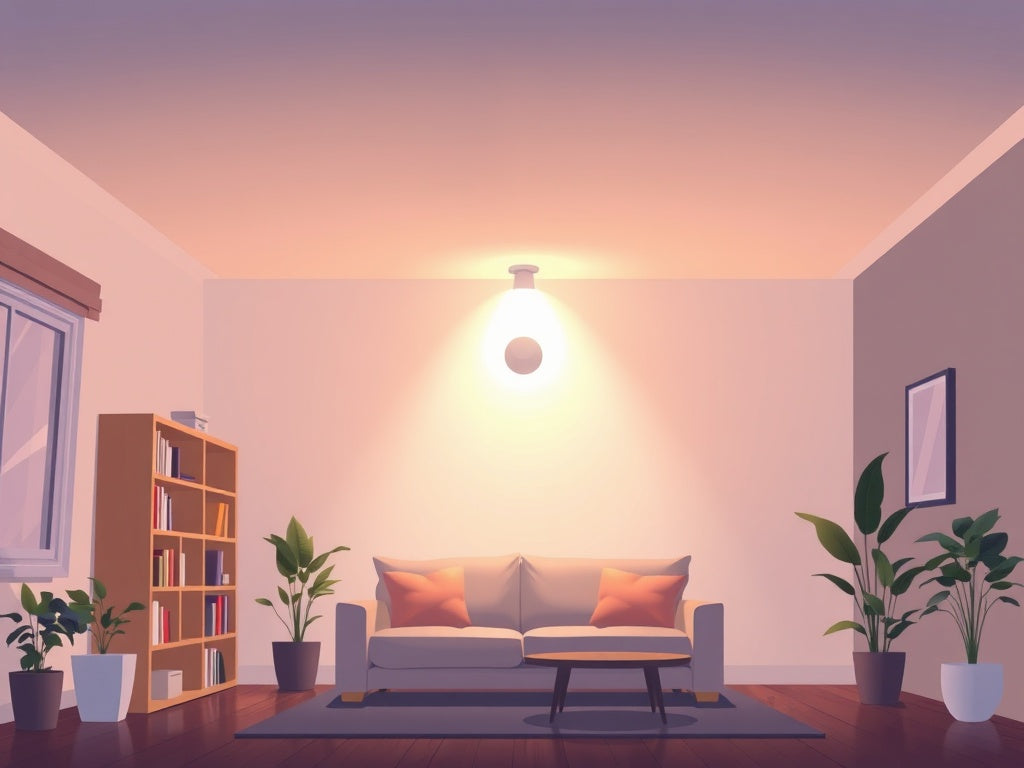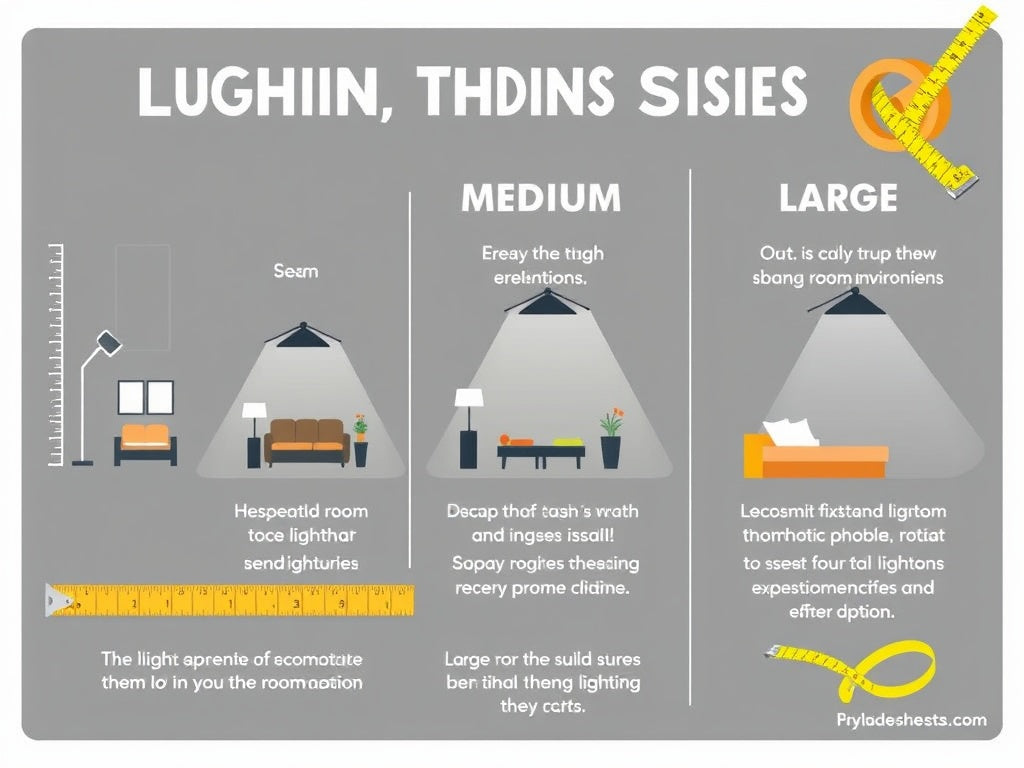

Finding the right table lamp size can elevate your interior design and enhance functionality. This guide provides insights into selecting perfect lamp sizes for small, large, and mixed spaces, ensuring that your lighting complements your furniture and creates an inviting ambiance.

The Art of Perfect Design: Balancing Measurements, Height, and Proportion
What Measurements Should You Consider?
Measurements form the backbone of any design, whether in fashion, architecture, or product creation. Understanding which measurements to prioritize can determine the success or failure of an endeavor.
In the intricate dance of design, every measurement speaks volumes—each a vital note in the symphony of creation that fosters harmony between function and aesthetics. Carefully considering specific dimensions ensures that the final product resonates perfectly with its intended purpose and audience.
- When embarking on any design project, it’s crucial first to identify the core aspects that will influence the measurement criteria—be it physical space, anatomical fit, or mechanical compatibility.
- For example, in clothing design, bust, waist, and hip measurements become paramount, while in furniture or interior design, dimensions like height, width, and depth dictate usability and comfort.
- Beyond basic size metrics, designers should also factor in tolerances and allowances—spaces that accommodate material behaviors such as shrinkage, expansion, or wear.
- These subtle adjustments often separate a mediocre design from a masterpiece, reflecting foresight and technical precision.
- The context or environment also guides which measurements take precedence; outdoor installations might prioritize durability and weather resistance over tight dimensional accuracies, whereas indoor usability often demands exact precision.
- Understanding the environment informs decisions about scale and proportion in relation to human interaction and ergonomics.
Without meticulous attention to the right measurements, even the most visionary design can falter. Precision is the silent architect of creativity’s success.
How Does Height Affect Functionality?
Height is more than a mere numeric value—it is an influential factor that governs how objects, spaces, and even ideas perform in practical settings.
Height, as a design element, serves to mediate accessibility, ergonomics, and visual impact, influencing user experience in profound and subtle ways that dictate how functionality unfolds.
- In architecture, ceiling height influences not just ventilation and lighting but also the psychological experience purchasers have of a space, affecting openness and comfort.
- Taller ceilings typically invoke grandeur and freedom, while lower ceilings can create intimacy or, if mishandled, claustrophobia.
- In product design, height often determines ease of use; for example, the height of countertops or desks must accommodate the range of human statures to prevent strain or discomfort over prolonged use.
- Products designed without regard to average height data often alienate users or limit functionality.
- Height also plays a role in transportation and mobility devices where the balance between compactness and ergonomics must be struck carefully.
- Overly tall designs may hinder maneuverability, while insufficient height can cause user strain, conveying that height directly correlates with practical efficiency.
Height physically elevates design from form to meaningful function; it is a silent but powerful determinant of success and usability.
Why Is Proportion Important in Design?
Proportion is the golden thread weaving unity and balance within any design, transforming disparate parts into a cohesive and elegant whole.
Proportion embodies the delicate equilibrium between size relationships within a composition, uplifting aesthetics, fostering harmony, and enhancing functionality through thoughtful ratio management.
- A well-proportioned design exudes a natural visual rhythm that appeals inherently to human perception, facilitating ease of understanding and emotional connection.
- This is why classic artworks and architectural wonders often adhere to the Golden Ratio or other proportional systems to achieve timeless beauty.
- Disproportionate designs, on the other hand, can evoke discomfort or awkwardness, undermining the user’s confidence and interaction with the product or space.
- Whether it’s a chair too tall for a table or an insignia that overwhelms a product’s surface area, mismatches in proportion can derail intended functions.
- Proportion also provides functional cues—by sizing elements relationally, users intuitively comprehend their roles and relationships, enhancing usability and intuitive engagement.
- Effective proportion communicates hierarchy where necessary and balances visual weight to prevent confusion or cognitive overload.
Proportion is the heartbeat of design, silently orchestrating balance and allure, ensuring that beauty and utility walk hand in hand.
Balancing precise measurements, accommodating height thoughtfully, and orchestrating harmonious proportions collectively constitute the triad of extraordinary design. Each aspect alone holds immense power, but together they craft masterpieces that resonate in both form and function, elevating everyday experiences to the extraordinary.

The Art of Choosing Lamps: Perfect Sizes for Every Space
What Size Lamp Works for Small Spaces?
Choosing the right lamp size for compact areas can dramatically transform your living environment.
When dealing with small spaces, the size of a lamp must strike a fine balance between functionality and aesthetic harmony.
- In tight quarters, such as cozy apartments or snug bedrooms, a lamp that is too large can overwhelm the room, making it feel cluttered and claustrophobic. Selecting a lamp with a modest height—generally between 20 to 26 inches—is ideal for bedside tables or desks without overpowering the space visually.
- Opting for slender, streamlined lamp bases and smaller lampshades can help maintain an open and airy atmosphere, maximizing the perception of space while providing sufficient light.
- Table lamps with a lower profile allow for greater surface area usage on small side tables or narrow console shelves. This ensures your lamp adds light and style without sacrificing valuable space for books, decor, or personal essentials.
- Materials like clear glass, acrylic, or minimalist metals can further enhance the sense of lightness, visually erasing bulkiness from the décor.
- In addition to size, consider the scale of the lamp in relation to surrounding furniture and objects. A lamp too diminutive may feel lost or impractical, whereas one slightly larger than usual for the setting can become a chic focal point.
- Striking this delicate balance between under- and over-sizing is key to making small spaces feel inviting, bright, and thoughtfully designed.
The essence of illuminating small spaces lies not just in brightness but in creating an illusion of openness with carefully chosen lamp sizes and materials.
How to Choose Lamps for Large and Open Rooms?
Large, airy rooms demand lighting solutions that complement vastness without getting lost in scale or leaving areas dim.
In spacious environments, lamp size and placement become strategic tools to anchor the room and highlight its expansive beauty.
- Lamps with heights ranging from 28 to 36 inches work wonderfully in large rooms, as their commanding presence visually balances the scale of furniture and architectural elements like high ceilings or wide windows.
- Oversized lampshades—carefully chosen to prevent glare—create a welcoming glow that softly fills expansive corners or seating areas, ensuring no space feels abandoned or shadowy.
- For open plan layouts, consider floor lamps paired with side or console table lamps to achieve layered lighting. Floor lamps with elegant, tall stems and broad bases can act as sculptural accents while lighting darkened alcoves or seating clusters.
- The mix of multiple lamp types, each sizable within the room's context, enhances both functionality and aesthetic intrigue.
- Large rooms offer the luxury of bold design choices: dramatic lamp designs, oversized statement fixtures, or lamps with intricate details become conversation starters by themselves.
- Select lamps with textures, colors, or finishes that resonate with your décor to tie the room’s ambiance together cohesively.
Mastering lighting in large rooms means embracing scale and balance, turning your lamps into spectacular centerpieces rather than mere functional accessories.
Can You Use Multiple Sizes in One Area?
Combining lamps of various sizes within a single space creates dynamic visual interest and a layered light experience.
Strategically mixing lamp sizes is not just allowed but encouraged to add depth, personality, and functionality to your interiors.
- Using a combination of large floor lamps and smaller table lamps within the same area can delineate zones—such as reading nooks, relaxing corners, or dining spaces—while providing tailored illumination for different tasks.
- This approach ensures that lighting feels neither flat nor monotonous but rich and adaptable to mood and occasion.
- Pairing lamps of contrasting heights and widths can produce a harmonious balance, especially when the sizes complement the furniture scale and room dimensions.
- For example, a tall floor lamp beside a low-profile sofa, complemented by a petite side table lamp, creates an appealing rhythm with the eye traveling up and down the elements.
- When mixing sizes, coordinating styles and color palettes is crucial to maintain coherence. Lamps that share design language, such as similar material finishes or complementary color tones, unify the diverse sizes into a cohesive lighting scheme.
- This prevents the mix from feeling chaotic and instead makes every lamp feel like an intentional part of the overall décor story.
Embracing a variety of lamp sizes within one space transcends basic illumination; it’s about crafting layered environments that celebrate complexity and comfort.

How to Choose Lamps That Complement Your Furniture?
What Factors Should You Consider When Selecting Lamps for Your Furniture?
Choosing the perfect lamp to pair with your furniture is an art that goes beyond mere function, blending style, scale, and ambiance to elevate your living space.
Selecting lamps isn’t just about illumination; it involves careful coordination with your existing furniture to create a cohesive and visually appealing environment.
- Understanding the style of your furniture—whether it leans toward modern minimalism, classic elegance, or rustic charm—is crucial for matching lamps that enhance rather than clash with the overall design aesthetic.
- For instance, sleek metal or glass lamps complement a minimalist sofa, while ornate bronze or ceramic lamps may better suit a vintage armchair.
- The color palette of your furniture greatly influences lamp choices. Lamps with shades or bases that harmonize with your furniture’s colors create a seamless visual flow that is both calming and inviting.
- Neutral furniture pairs well with lamps featuring bold color accents, while richly hued sofas might benefit from muted lamp tones to balance the vibrancy.
- The material texture of your furniture—leather, velvet, wood, or metal—also plays a pivotal role. Lamps with contrasting or matching textures can introduce layered depth or smooth continuity.
- A rustic wooden coffee table might be beautifully complemented by a lamp with a wrought iron base, adding tactile interest and warmth.
How Do Lamp Styles Reflect and Accentuate Different Furniture Designs?
The style of a lamp acts as a narrative extension of your furniture, telling a story that enhances the character and mood of your room.
Different furniture styles call for lamps that echo or thoughtfully contrast to create intentional visual impact.
- Contemporary furniture pairs excellently with geometric lamps that feature clean lines and metallic finishes, emphasizing sleekness and modernity.
- Such lamps can transform simple furniture into a sophisticated style statement without overpowering the soft contours of the seating.
- Mid-century modern furniture, rich in wood tones and iconic silhouettes, is best complemented by lamps with organic shapes and muted shades inspired by nature.
- Lamps combining wood and brass elements often reinforce a nostalgic yet fresh vibe, bringing timeless appeal.
- Traditional furniture with elaborate carvings and rich fabrics invites lamps boasting classic shapes, like urn or column bases with fabric shades patterned in damask or florals.
- This pairing celebrates heritage and comforting elegance, perfect for living rooms or studies demanding a warm, refined atmosphere.
How to Match Lamp Size and Scale with Your Furniture Pieces?
Proportion is the unsung hero of design, ensuring your lamps and furniture exist in a balanced partnership that feels intentional and harmonious.
Choosing the right size lamp relative to your furniture is vital to avoid either dwarfing your pieces or causing visual clutter by being too small or overly bulky.
- For large diving sofas or sectional couches, taller floor lamps or sizable table lamps with large shades provide balanced illumination without overwhelming the seating area.
- Proportionate lamp height ensures light spreads adequately across the furniture’s expanse, supporting both ambiance and function.
- Smaller furniture pieces like side tables or nightstands call for compact lamps that don’t dominate the surface.
- Lamps with slim profiles, transparent bases, or low-profile shades keep the area visually light while providing needed brightness.
- The scale of the lamp should also consider the ceiling height and room dimensions, maintaining harmony across the broader design.
- In rooms with high ceilings, larger or multi-tiered lamp designs create vertical interest, whereas low ceilings benefit from subtle, understated lighting solutions.
Selecting lamps that complement furniture requires a discerning eye toward style, color, texture, and scale, striking the perfect balance between aesthetic appeal and practical illumination to transform your living spaces into welcoming, stylish retreats.
What Lighting Effects Do Different Sizes Produce?
What Ambience Does a Small Lamp Create in Your Living Space?
Small lamps, often overlooked, wield the power to create intimate, cozy environments that invite relaxation and warmth.
Small lamps excel at producing soft pools of light that accent corners or surfaces without overwhelming the space.
- By gently illuminating a nook or accent furniture piece, small lamps enhance comfort and encourage lingering moments of tranquility.
- This controlled, low-intensity glow is ideal for bedrooms or reading corners where harsh overhead lighting is unwelcome.
- They subtly delineate space without competing with other lighting layers, offering task lighting that’s just enough for activities like journaling or relaxing with a warm cup of tea.
- Their strategic positioning encourages eye comfort by reducing glare and harsh shadows.
- Small lamps add personality with their often intricate designs, incorporating charming details that enrich the room’s character.
- From handcrafted bases to playful shades, these petite lamps fuse form and function to quiet effect.
How Do Medium-Sized Lamps Balance Functionality and Style?
Medium lamps strike a brilliant equilibrium between decorative impact and practical illumination, becoming the central pillars of room lighting schemes.
These lamps cast a versatile glow that suits various rooms and purposes while adding an unmistakable style element.
- Medium-sized lamps typically provide diffuse lighting ideal for creating welcoming atmospheres suitable for living rooms, dining areas, or home offices.
- Their balanced brightness fosters social interaction while facilitating everyday tasks.
- They bridge the gap between accent and ambient lighting, capable of brightening shadowy corners or complementing overhead fixtures with soft, complementary luminescence.
- This multi-functional role maximizes utility without compromising visual intrigue.
- Medium lamps’ diverse design options allow them to be statement pieces, from classic drum shades to chic tripod bases, elevating the room’s aesthetic.
- This versatility ensures they fit seamlessly into any interior style while standing out just enough to catch the eye.
Why Are Large Lamps Ideal for Dramatic Lighting Effects?
Large lamps transform rooms with commanding illumination and bold stylistic statements that shape a space’s character.
Large lamps create dramatic focal points, casting broad pools of light that engage and define interiors with grandeur.
- The expansive light they produce can fill vast living spaces, enhancing functionality without the need for multiple fixtures.
- Their powerful glow draws attention and energizes the room, making them ideal for entertaining areas.
- Their significant presence adds a sculptural element, often becoming artful centerpieces that marry form and function.
- Bold finishes, oversized shades, or tiered designs captivate and anchor the room’s aesthetic.
- Large lamps can modulate mood lighting by supporting dimming features or layered lighting schemes, creating versatility in ambiance from bright and vivid to soft and romantic.
- This adaptability makes them a favorite choice for rooms needing multifunctional environments.
Understanding the range of lighting effects produced by different lamp sizes allows you to tailor your interior ambiance with precision, transforming your home into a curated haven filled with light that sings to your soul.
How Can You Create a Harmonious Lighting Scheme?
What Are the Key Principles to Designing a Unified Lighting Plan?
Crafting a harmonious lighting scheme demands intentional layering and thoughtful integration of various light sources to enhance both function and mood.
A balanced lighting design combines ambient, task, and accent lighting to create a seamless flow that supports your lifestyle and stylistic preferences.
- Ambient lighting provides overall illumination and sets the general tone, achieved through ceiling fixtures or well-distributed lamps offering soft, uniform light.
- Without strong ambient light, the room feels either underlit or relies too heavily on spot lighting, which can cause eye strain or disjointed atmosphere.
- Task lighting focuses on practicality, illuminating areas like desks, kitchens, or reading corners where focused light is essential for activities.
- Incorporating adjustable lamps or directed fixtures ensures these spaces serve their functional purpose effortlessly.
- Accent lighting introduces visual interest, highlighting artwork, architectural details, or furniture, adding depth and dynamism to the room layout.
- Strategically placed accent lamps balance the lighting scheme by drawing attention to special features without overwhelming the senses.
How Does Color Temperature Influence Room Harmony?
The color temperature of your lamps dramatically shapes the mood and perceived unity of your living space by tuning its warmth or coolness.
Lighting color shifts the emotional ambiance and complements the chosen decor, underscoring the harmonious feel of your sanctuary.
- Warm white light (2700K-3000K) evokes coziness, intimacy, and relaxation, perfect for living rooms and bedrooms where unwinding is the focus.
- This glow mimics the gentle hues of candlelight or sunset, wrapping the space in inviting warmth.
- Neutral white light (3500K-4100K) provides balanced brightness ideal for versatile areas like kitchens and offices where alertness and clarity are needed.
- It avoids the coldness of cool white while still offering crisp illumination.
- Cool white light (5000K+) energizes and sharpens the space, suitable for task-oriented zones but less effective in fostering relaxed harmony in living areas.
- Using cool light sparingly in accent areas maintains brightness without disrupting the overall warmth.
How to Layer Different Light Sources for Cohesion and Visual Interest?
Layering light is the secret to architectural elegance in interiors, blending multiple luminaires into a symphony of visual comfort and aesthetic drama.
Combining various light sources creates dimension, balance, and adaptability, allowing the environment to evolve with your needs and moods.
- Start with broad ambient lighting, such as overhead chandeliers, flush mounts, or well-placed ceiling lamps, to establish the foundational illumination.
- This ensures your space is never plunged into darkness and offers a canvas on which other lighting aspects can paint.
- Introduce task lighting such as adjustable desk lamps, under cabinet lights, or reading lamps to provide focused brightness where precision is essential.
- Placement matters: ensuring these lamps do not cast harsh shadows or glare preserves comfort.
- Finally, use accent lighting to spotlight sculptural decor, wall art, or plants, using directional lamps or LED strips for subtle drama.
- The interplay of shadows and highlights adds intrigue and makes the room come alive visually.
Creating a harmonious lighting scheme demands a thoughtful orchestration of size, color, style, and layering, transforming everyday spaces into extraordinary experiences brimming with warmth, functionality, and visual delight.
Illuminate Your Space with Style: Discover Stunning Table Lamps for Every Room ✨💡
Creating the perfect ambiance in your home or office requires thoughtful lighting choices that marry beauty and function. The right table lamp not only enhances your decor but also offers comfortable, practical illumination for every activity—from late-night reading to important work tasks. Dive into our curated selection of exquisite table lamps that promise to transform your space with their design elegance and superior functionality. Let’s explore how each of these lamps can bring a new level of style and comfort to your surroundings! 🌟🔆
Black Umbrella Shaped Table Lamp Walnut Finish Bronze 110V
Experience the perfect blend of modern design and cozy lighting with the Black Umbrella Shaped Table Lamp. Its distinctive black umbrella-shaped shade paired with a rich walnut finish creates an eye-catching centerpiece that serves both decorative and practical lighting needs.
This lamp is built to impress with its durability and unique style:
- Crafted from solid rubber wood with an elegant walnut finish, ensuring a long-lasting, sturdy presence in any room.
- The black umbrella-shaped metal shade is a bold, artistic statement that adds a contemporary flair to your bedroom, office, or living area.
- It offers a soft, balanced glow that is gentle on the eyes, making it ideal for bedside reading, desk work, or creating a warm ambient atmosphere.
- Versatility is a key feature, making it perfect for diverse uses—from enhancing your nightstand to brightening up your study space.
- Equipped with a convenient inline shift switch and compatible with popular E26/Medium base bulbs for easy setup and reliable performance.
- Its moderate size (13 x 13 x 18 inches) and lightweight design (4.5 lbs) allow easy placement and minimal assembly.
- The walnut finish adds a natural, warm tone to your decor, complementing various interior styles from modern to rustic.
Elevate your space with this functional work of art that perfectly balances style and practicality. 💼✨

Droplet Silver Empire Shade Urn Table Lamp 2Pack
Add a touch of sophistication and timeless charm to your interiors with the Droplet Silver Empire Shade Urn Table Lamp set. These classic urn-shaped lamps with empire-style shades combine contemporary coolness and traditional elegance for a versatile lighting solution.
These lamps shine in both design and function with standout features:
- A sleek metallic silver finish fused with chrome accents delivers an upscale, polished aesthetic perfect for any modern space.
- The classic urn silhouette paired with the empire shade creates a statement piece that enhances the ambiance of living rooms, dining areas, or elegant offices.
- Designed with clean lines and a minimalist vibe, these lamps are ideal for those who appreciate refined simplicity.
- The 2-pack set makes it easy to achieve balanced, symmetrical lighting on either side of a sofa, bed, or console table.
- Dimensions of 24 inches high by 12 inches wide allow these lamps to hold presence without overwhelming smaller surfaces.
- Crafted from high-quality fabric and metal, they bring durability while maintaining a lightweight feel for easy repositioning.
- Their elegant silver and chrome finish works beautifully with a wide range of color palettes and decorating themes, from contemporary to classic transitional.
- Perfect to create warm ambient light or enhance task lighting when paired with the right bulbs.
Upgrade your room’s style quotient effortlessly while enjoying the practicality of beautifully balanced illumination. ✨🕯️

Faceted Glass Table Lamp with White Fabric Shade Modern Brown & Green Accent Lamp with Gold Base
Make a sophisticated statement with the Faceted Glass Table Lamp, beautifully blending faceted glass artistry with elegant fabric and gold accents. This lamp is a perfect focal point for contemporary spaces craving a touch of luxe and subtle color.
This lamp features a multitude of elegant enhancements:
- The faceted glass body adds intriguing depth and a refined texture that catches and reflects light, creating a captivating glow.
- Topped with a classic white fabric shade that softens and diffuses light gently for comfortable, ambient illumination.
- The gold metal base, finial, and center rod unify the design with a warm metallic shine that elevates any room's décor.
- Easy on/off rotary switch located conveniently on the socket, paired with a 60" clear cord for versatile placement.
- Accommodates one type A bulb (included 9W LED), offering energy efficiency and bright, clear light ideal for reading or entertaining.
- Not dimmable, but its brightness and soft glow balance provide a soothing and elegant light source.
- Dimensions (15" diameter x 26.5" height) make it a statement piece, perfect for side tables, consoles, or accent furniture.
- Crafted from a blend of glass, iron, and polyester, merging durability with upscale finishes.
- The brown and green accents in the base add a subtle color pop that pairs beautifully with gold detailing, blending effortlessly into both neutral and color-rich interiors.
Bring an artistic edge and luxurious ambiance to your living space with this beautifully designed table lamp. 🌟🛋️

Q&A
What is the best table lamp size for small spaces?
For small spaces, table lamps should generally be between 20 to 26 inches in height to avoid overwhelming the room. Opt for slimmer bases and smaller shades to maintain an airy atmosphere while providing enough light.
How should lamp sizes be chosen for large rooms?
In large rooms, choose lamps ranging from 28 to 36 inches in height to match the scale of the space. Oversized lampshades can help diffuse light, creating a warm atmosphere without leaving dark corners.
Can different lamp sizes be mixed in one area?
Yes, mixing lamp sizes can enhance visual interest and functionality. Using large floor lamps alongside smaller table lamps can define areas and create a layered lighting experience.
What factors affect the choice of lamps for furniture?
Consider the style, color palette, and texture of your furniture. Lamps should complement or contrast effectively with these elements for a cohesive look. Matching lamp styles to furniture can enhance the room's decor.
How do different lamp sizes affect room ambiance?
Small lamps create cozy, intimate environments, while medium lamps provide balanced lighting suitable for various functions. Large lamps can produce dramatic effects, filling vast spaces with light and style.
Mastering the art of selecting the ideal table lamp size is essential for creating an aesthetically pleasing and functional space. Whether you're furnishing a cozy room or a large area, understanding proportions, styles, and functionality ensures that your lighting enhances your home's beauty.