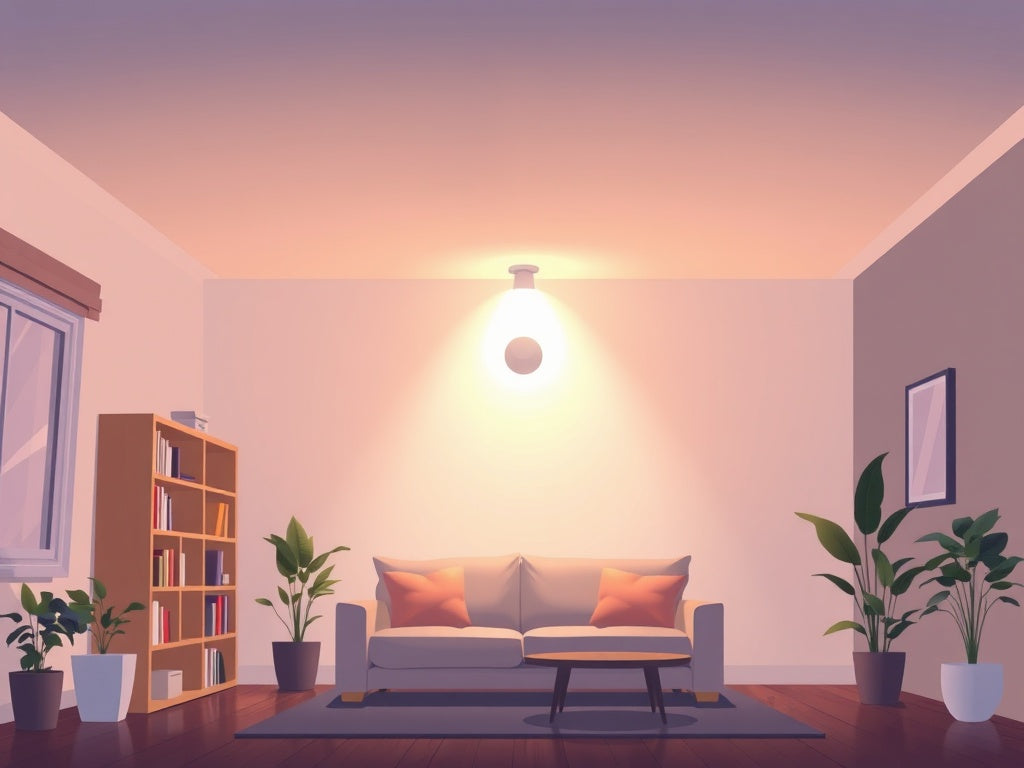

Chandeliers play a pivotal role in layered lighting plans, creating ambiance and enhancing the aesthetic of any space. This article explores the significance of chandeliers in interior design, how they impact mood, their various styles, and essential tips for selecting and placing them effectively.

The Art and Power of Layered Lighting: Transform Your Space with Light
What is Layered Lighting? Unveiling the Essence of Ambience Creation
Layered lighting is an innovative approach to interior illumination that transcends the ordinary, sculpting environments through the strategic use of multiple light sources.
Layered lighting is much more than simply turning on a few lights in a room; it is an intricate design philosophy aimed at harmonizing various lighting elements to enhance both functionality and aesthetic appeal.
- This technique involves combining three primary types of lighting — ambient, task, and accent — to achieve a balanced and visually captivating atmosphere that constantly adjusts to your needs and mood.
- Each type of lighting serves a distinct purpose, from providing uniform illumination to highlighting architectural features or artwork, thereby weaving a complex tapestry of light that breathes life into your living spaces.
- The allure of layered lighting lies in its versatility — it allows you to control the brightness, direction, and intensity of light sources to create dynamic settings that can transform with the time of day or activity.
- This carefully curated layering of light sources encourages a sense of depth, warmth, and coziness, while also bolstering functionality, proving that light is not just utilitarian but an artistic medium.
- Architects and interior designers consistently rely on layered lighting to tell a story within a space, influencing perception and interaction in subtle yet powerful ways.
- This strategy imbues rooms with an emotional element, blending the practical with the poetic to tailor surroundings that inspire relaxation, energy, or intimacy as desired.
Understanding layered lighting unlocks the secret to turning ordinary rooms into extraordinary havens where light dances gracefully, shaping emotions and experiences subtly yet profoundly.
How Does Layered Lighting Impact Mood? The Psychological Symphony of Illumination
Lighting is intrinsically linked to human psychology, affecting how we feel, think, and behave within spaces, and layered lighting orchestrates these effects masterfully.
The interplay of different light layers has a remarkable capacity to influence mood by manipulating visual comfort, ambiance, and perceived spatial qualities.
- Ambient lighting, the foundation layer, provides soft, overall illumination that establishes a neutral mood — neither too bright nor too dim — fostering relaxation or calmness in nearly any room.
- By adjusting the intensity and warmth of ambient light, you can simulate natural daylight rhythms, syncing interior environments with your biological clock, thus enhancing mental well-being.
- Task lighting, a focused and brighter layer, sharpens concentration and reduces eye strain, promoting productivity and alertness, especially in work or kitchen areas where precision is key.
- Properly positioned task lights empower users to engage with activities like reading or cooking with heightened clarity and safety, creating a psychological state of readiness and confidence.
- Accent lighting, with its dramatic and selective illumination, acts as the emotional heart of layered lighting, drawing attention to artworks, textures, or architectural details that inspire awe, comfort, or curiosity.
- These highlights create visual interest and can evoke nostalgia or excitement depending on what features are illuminated and how the light is filtered or colored.
- The synergy between these lighting layers encourages a natural flow within spaces — shifting from energetic to tranquil moods as the layers are dimmed or intensified and as personal preferences guide manipulation.
- Over time, such dynamic interplay can reduce stress, improve sleep quality, and boost overall happiness by aligning environmental cues with human emotional needs.
In essence, layered lighting is a psychological symphony that tunes the atmosphere, elevating everyday moments into deeply felt, immersive experiences through the strategic use of illumination.
What Are the Key Types of Lighting to Consider? Illuminating the Foundations of Great Design
Layered lighting relies on three fundamental types of lighting, each bringing unique qualities and purposes that, when combined, craft the perfect visual narrative.
These primary lighting categories — ambient, task, and accent — form the cornerstone of effective interior illumination, each serving a distinct role within a space.
- Ambient lighting acts as the general, overarching source of illumination that ensures even lighting throughout the room, creating a uniform base upon which other lights can build.
- This light is often sourced from ceiling fixtures, recessed lights, or wall-mounted sconces, designed to wash the space in a comfortable glow that doesn’t overwhelm but rather invites presence.
- Task lighting provides high-intensity, focused light tailored to specific activities requiring higher visibility, such as reading, cooking, or grooming.
- Examples include desk lamps, under-cabinet kitchen lights, or vanity mirrors with built-in lighting — all crafted to reduce shadows and improve visibility right where the eye needs it most.
- Accent lighting is used to spotlight certain features or objects, drawing the eye and creating visual drama with its concentrated beams and sometimes color play.
- Track lights, picture lights, or LED strips behind architectural moldings often serve this purpose, helping to add personality and dimension to any room.
- These three types harmonize when thoughtfully layered, allowing adjustments that can make a room multi-functional and mood-enhancing without needing structural changes or excessive energy consumption.
- Thoughtful coordination of lighting type, color temperature, and placement maximizes both energy efficiency and aesthetic value, turning mundane illumination into transformative artistry.
Mastering the balance between ambient, task, and accent lighting unlocks limitless possibilities for space enhancement, making every corner not just visible but vibrantly alive.
Why Should You Integrate Chandeliers Into Your Plans? Elevate Your Space with Iconic Illumination
Chandeliers are timeless symbols of elegance and grandeur that contribute significantly to layered lighting schemes while serving as captivating focal points.
Incorporating chandeliers within your lighting design goes beyond simple illumination — it acts as an expression of style, sophistication, and personality that elevates the ambiance.
- Chandeliers provide a powerful source of ambient light, often positioned centrally in rooms to cast warm, inviting light that fills spaces with an air of opulence and celebration.
- Their multi-bulb design and reflective surfaces can disperse light gracefully, creating patterns that enrich textures and colors, enhancing the overall atmosphere.
- Beyond function, chandeliers are artistic installations — each fixture carrying a unique narrative through materials, shapes, and craftsmanship that adds character and charm to any room.
- Whether modern crystal, vintage wrought iron, or contemporary geometric designs, these statement pieces become conversation starters and style anchors within your layered lighting composition.
- Strategically pairing chandeliers with task and accent lighting accents the dramatic impact while providing flexibility for varying activities and moods.
- Dimming capabilities and adjustable heights further personalize their contribution, allowing for intimate dinners or dazzling gatherings with just a flick of a switch.
- Beyond aesthetic and practical advantages, chandeliers can improve spatial perception — creating a sense of height and openness — ideal for enhancing grand foyers, dining rooms, or living areas.
- Their presence encourages an emotional connection to space, often evoking feelings of nostalgia or aspiration through their timeless elegance.
Integrating chandeliers into your layered lighting strategy is not just an aesthetic choice but a transformative statement that redefines spaces, illuminating life in the most stunning and memorable ways.

The Art of Perfect Chandelier Placement: Elevating Your Space with Elegance
What are the Best Heights and Locations for a Chandelier?
Choosing the ideal height and location for a chandelier is crucial to creating a captivating and functional lighting centerpiece that enhances any space.
Selecting the perfect height and location for a chandelier involves a deep understanding of spatial proportions, ceiling height, and the intended ambiance you wish to create.
-
The general rule for chandelier height in rooms with standard 8-foot ceilings is to hang it approximately 30 to 34 inches above the surface of the table or floor. This creates a harmonious balance where the chandelier illuminates without overwhelming.
- In dining rooms, this height ensures that the chandelier acts as a radiant crown over the table, providing both functional light and visual enchantment.
- In entryways or living areas, where no table anchors the space, hanging the chandelier so that there is at least 7 feet clearance from the floor allows for comfortable movement beneath and accentuates the grandeur of the room.
-
Location matters as much as height; chandeliers should ideally be centered over the main functional area such as the dining table, living room seating area, or foyer.
- Positioning a chandelier off-center can create an unintended focal imbalance, diverting attention and disrupting the room's flow.
- When hanging in foyers or double-height spaces, consider the distance from adjacent walls and staircases to maximize visual impact while ensuring safety.
-
For rooms with vaulted or very high ceilings, the standard height rules adjust significantly—chandeliers may be suspended lower to bridge the vertical void and create a cozy atmosphere.
- Multiple chains or adjustable rods allow flexibility, which is essential in rooms where ceiling heights vary or where lighting needs evolve.
- Layering lighting with a chandelier imposing a strong vertical presence can anchor tall ceilings and prevent the space from feeling cavernous or uninviting.
Mastering the height and location dynamics of chandeliers is fundamental to transforming your room into a luminous sanctuary that invites admiration and comfort.
How to Create Balance with Other Lighting Elements?
Balancing a chandelier with other lighting fixtures is an art that ensures your room is both beautifully illuminated and visually cohesive.
Achieving a harmonious interplay between chandeliers and supplementary lighting enhances both functionality and aesthetics, crafting a layered lighting scheme that appeals to all sensibilities.
-
Combine chandeliers with wall sconces, floor lamps, and recessed lights to build depth and eliminate harsh shadows, which a lone chandelier might cast.
- Wall sconces placed strategically around the room provide subtle backlighting, adding warmth and sophistication.
- Floor and table lamps introduce localized pools of light that complement the chandelier’s overarching glow, perfect for reading nooks and lounges.
-
Use dimmers and adjustable lighting controls to balance intensity between fixtures, allowing you to tailor the atmosphere to varying moods and occasions.
- Dimmer controls for chandeliers can soften their grandeur during intimate dinners or amplify it in lively gatherings.
- Mixed lighting sources ensure visual comfort and reduce glare, preventing lighting fatigue during extended use.
-
Consider the style and scale of each lighting element to avoid visual clutter; smaller chandeliers or pendant lights should be paired with minimalist or subtle alternative lighting to maintain a clean design.
- Coordinating metal finishes and design motifs between your chandelier and other fixtures creates an elegant unity.
- Contrasts in styles, when carefully curated, can provide exciting focal points without overwhelming the eye.
Integrating your chandelier with a thoughtfully layered lighting approach turns your home into a radiant masterpiece, where every corner bursts with ambiance and elegance.
What Factors Influence the Placement of Your Chandelier?
Several pivotal factors go beyond aesthetics and height to influence the ideal placement of your chandelier, ensuring it functions perfectly within your environment.
Understanding the interplay of architectural features, furniture layout, and the activity patterns within the space is essential when deciding where to hang your chandelier.
-
Room dimensions and ceiling height dictate where a chandelier feels proportionate and comfortable. Overly large chandeliers in small rooms can overpower, while too small pieces in grand halls may go unnoticed.
- Calculate the chandelier size by adding the room's length and width (in feet), converting that sum into inches to find an approximate diameter.
- Ceiling height influences chain length choices and whether a tiered or single-tier design would be most visually effective.
-
Furniture arrangement impacts placement decisively; chandeliers should hover directly above centerpieces like dining tables or seating clusters to unify the design.
- Avoid placing chandeliers where they may impede movement or head clearance, especially in walkways or crowded seating areas.
- Consider the shadow effects on key areas such as kitchen islands or desks, where task lighting is critical.
-
Electrical wiring location and structural support within the ceiling determine the practical feasibility of certain placements.
- Retrofits to relocate electrical points can add complexity and cost; professional consultation helps balance design ambitions with technical realities.
- Weight and mounting hardware requirements must align with ceiling construction to avoid safety hazards.
Placement is not merely a decorative choice but an intrinsic part of the chandelier’s role to illuminate, beautify, and function within the unique rhythm of your home.
How Do Surrounding Elements Affect Chandelier Selection?
The surrounding décor and architectural elements are powerful influencers that shape the choice of chandelier, dictating its size, style, and overall impact.
Your chandelier must converse with its environment, complementing existing textures, colors, and architectural features to create a seamless design narrative.
-
Architectural styles—from ultra-modern to classic Victorian—guide chandelier designs, as a sleek contemporary piece may look out of place in a rustic farmhouse setting.
- Materials such as crystal, wrought iron, brass, or wood introduce tones and textures that either echo or contrast the room’s identity.
- Ceiling details like beams or coffered ceilings add character that may call for chandeliers with intricate or robust profiles.
-
Nearby decorative elements influence visual harmony; artwork, mirrors, and furniture finishes help determine the chandelier’s finish and scale to avoid visual discord.
- A heavily decorated ceiling demands a more restrained chandelier to avoid overwhelming the space.
- Conversely, minimalistic rooms welcome bold statements that become the signature centerpiece of the décor.
-
The color palette of the room sets the mood and shapes how light is reflected and refracted, impacting overall chandelier brilliance and mood.
- Light-colored walls and reflective surfaces amplify the chandelier’s natural glow, making smaller fixtures appear more luminous.
- Darker rooms benefit from chandeliers with multiple light sources or reflective crystals to enhance brightness and create sparkling effects.
The elegance of your chandelier ultimately blooms when it is thoughtfully selected to honor and elevate the unique character and elements of its surrounding space.

Discovering the Perfect Chandelier: Styles and Selection Secrets
What Styles of Chandeliers Are Available to Elevate Your Space?
Exploring the captivating variety of chandelier styles to suit any aesthetic and transform your environment with timeless elegance.
When it comes to chandeliers, the range of styles is as broad as the imagination itself, catering to classic tastes and modern marvels alike. Choosing the right style is essential to make a statement and complement your décor effortlessly.
- The Traditional Chandelier: Resplendent with intricate ironwork, crystal drops, and candle-like bulbs, traditional chandeliers evoke the grandeur of historic mansions and royal palaces.
- These fixtures often feature ornate detailing and symmetrical designs, reflecting a classical elegance that never goes out of style.
- Perfectly suited for formal dining rooms or grand entryways, they imbue a room with warmth and regality.
- Modern and Contemporary Styles: Sleek lines, minimalist forms, and innovative materials define this category, integrating art with utility.
- From geometric metal frames to LED embedded designs, these chandeliers embrace simplicity and boldness at once.
- Ideal for urban lofts, contemporary living rooms, or creative office spaces seeking an edgy yet refined touch.
- Rustic and Farmhouse Designs: Bringing a touch of countryside charm, these chandeliers often incorporate wrought iron, distressed wood, and natural elements.
- With their rugged textures and hearty forms, they create an inviting ambiance that is cozy yet stylish.
- They shine brightest in kitchens, breakfast nooks, or cabins craving a blend of practicality and pastoral beauty.
- Glamorous and Crystal Chandeliers: Known for their dazzling brilliance, crystal chandeliers scatter light with hypnotic allure.
- Often featured in lavish bedrooms or ballrooms, their shimmering facets add sparkle and drama.
- Various styles range from classic tiered crystal drops to modern interpretations with unconventional shapes.
- Industrial and Vintage Fixtures: Raw metals, exposed bulbs, and aged finishes compose this aesthetic, reminiscent of warehouses and urban factories.
- Their utilitarian vibe can be both rugged and chic, perfect for eclectic interiors and creative studios.
- These chandeliers celebrate mechanical beauty, making them a favorite among design aficionados who treasure stories behind aesthetics.
The multifaceted world of chandelier styles allows every space to find its soul through light. By understanding each style’s distinctive charm, you can transcend mere illumination and create an unforgettable atmosphere.
How Do Room Size and Style Affect Chandelier Choices for Lasting Impact?
Unlocking the nuanced relationship between spatial dimensions, interior themes, and chandelier selection to achieve harmonious balance and visual drama.
Room size and overall style are crucial compass points guiding your chandelier choice. An oversized fixture in a snug room can overwhelm, while a petite fixture in a cavernous area can disappear from view. Likewise, a chandelier must echo the room’s stylistic voice for a cohesive design story.
- Assessing Room Dimensions: It’s essential to measure ceiling height, floor space, and room proportions before selecting a chandelier.
- A chandelier’s diameter should ideally be about one-half to two-thirds of the table or room width for balanced visual weight.
- Ceiling height determines the chandelier’s drop length; higher ceilings accommodate longer chains or rods, ensuring the fixture isn’t too low or too high.
- Overly large chandeliers in small rooms can create claustrophobia, while too small fixtures can feel insignificant in large rooms.
- Complementing Room Style: Matching chandelier aesthetics with the room’s theme enhances synergy and visual appeal.
- For example, a glam crystal chandelier may clash in a rustic country kitchen but blossom beautifully in a Victorian parlor.
- Contemporary rooms with sleek furniture pair well with minimalist chandeliers, emphasizing clean lines and subtle elegance.
- Eclectic spaces invite bold, unusual chandeliers that serve as focal points amid an array of textures and colors.
- Functional Considerations: Activities within the room influence the type of chandelier needed.
- Dining rooms favor warm, focused lighting above tables, so fixtures with dimming capabilities and appropriate height are ideal.
- Living rooms may benefit from multi-tier chandeliers or those combined with other lighting layers for flexibility.
- Entryways require impactful chandeliers that establish first impressions without overpowering.
Deliberate consideration of room size and style ensures your chandelier performs like a perfectly cast leading actor — commanding attention, setting the mood, and embracing its surroundings.
What Materials Should You Consider for Your Chandelier to Ensure Beauty and Durability?
Decoding the spectrum of chandelier materials and their implications on aesthetics, maintenance, and lasting allure in your living spaces.
The materials comprising a chandelier impart its character and functionality. From delicate crystals that catch every glimmer to sturdy metals that define structural integrity, knowing the options helps in making an informed and inspired choice.
- Crystal and Glass: The quintessential sparkle stars of chandeliers, these materials reflect and refract light exquisitely.
- Crystals vary from hand-cut Swarovski to more affordable glass, with each tier offering different levels of brilliance and clarity.
- While stunning, they require regular cleaning to maintain their radiant clarity and can be sensitive to handling.
- Glass shades or components come in myriad shapes and colors, allowing for artistic and vintage expressions.
- Metals (Iron, Brass, Chrome, Bronze): Metals form the framework and detailing of most chandeliers and influence style drastically.
- Wrought iron offers a rustic, antique aura; brass exudes warmth and vintage nobility; chrome and nickel provide sleek, modern sophistication.
- Metals generally offer longevity and structural strength, with finishes impacting ease of maintenance and overall look.
- Some metals develop appealing patinas over time, adding character and uniqueness to the piece.
- Wood and Natural Elements: Used in more rustic or bohemian designs, natural materials introduce organic warmth.
- Reclaimed wood, bamboo, or woven fibers can soften metallic edges and add textural contrast.
- Though attractive, wood requires treatment to endure humidity and prevent warping or insect damage.
- These materials invite nature into interiors, promoting a relaxed, earthy vibe.
- Acrylic and Modern Synthetics: Contemporary chandeliers often incorporate these materials for playful designs and affordability.
- Acrylic offers crystal-like transparency without fragility and is lighter in weight.
- These materials enable bold design experimentation, including color-changing and innovative forms.
- While versatile, synthetic materials can sometimes lack the timeless charm of natural crystal or metal, necessitating thoughtful use.
The marriage between material and design breathes life into chandeliers, transforming them from fixtures into works of art that illuminate both space and soul.
How Do You Match Chandeliers with Other Lighting Features for a Cohesive Glow?
Strategies to harmonize your chandelier with secondary lighting to craft layered ambiance, functionality, and stylistic cohesion.
A chandelier seldom stands alone; it shares the stage with recessed lights, wall sconces, floor lamps, and task lighting. Achieving a balanced lighting composition is key to dynamic, versatile interiors that feel inviting and purposeful.
- Layering Light for Dimension: Combining ambient, task, and accent lighting alongside a chandelier creates depth and flexibility.
- Ambient light, often provided by the chandelier, fills the room uniformly, setting the general illumination tone.
- Task lights such as under-cabinet LEDs or reading lamps cater to specific activities needing focused brightness.
- Accent lighting highlights architectural features, artworks, or textured walls, adding intrigue and subtle drama.
- A well-layered lighting plan prevents harsh shadows and flat spaces, encouraging comfort and usability.
- Consistency in Finishes and Design: Coordinating finishes and styles amongst different fixtures unifies the lighting scheme.
- Matching metal tones (e.g., all brushed nickel or matte black) avoids visual clashes and supports harmonious décor.
- Repeating design motifs like geometric shapes or crystal accents ties lighting together aesthetically.
- Contrasting styles can work if done intentionally, creating interesting focal points — but should feel curated rather than random.
- Controlling Light Intensity and Color Temperature: Dimmer switches and consistent color temperatures render lighting adaptable and pleasant.
- Chandeliers paired with dimmable sconces and lamps allow mood shifts from bright work settings to intimate dinners.
- Warm color temperatures (~2700K-3000K) foster coziness, while cooler hues suit functional, modern interiors.
- Uniform color temperature prevents jarring transitions between different light sources.
Mastering the interplay between your chandelier and surrounding fixtures crafts an environment as layered and nuanced as a well-composed symphony — each light contributing its voice to a harmonious chorus.
Choosing the perfect chandelier is both a thrilling adventure and an artistic endeavor. It demands attention to style, space, materials, and integration with existing elements. When chosen thoughtfully, a chandelier doesn’t merely brighten a room; it enlivens a space with personality, sophistication, and captivating allure. Every flicker paints a story, making your home a luminous sanctuary of beauty and warmth.
Illuminate Your Home with Stunning Chandeliers: Elegance, Modernity, and Versatility in Lighting Solutions 💡✨
Lighting is not merely about illumination; it’s an art, an essential design element that elevates the ambiance, enhances décor, and reflects your personal style. Whether upgrading your living room, dining area, or foyer, choosing the right chandelier can transform your space from ordinary to extraordinary. Here, we introduce three outstanding chandelier designs from OKELI that perfectly blend timeless beauty with modern innovation. Each piece offers unique lighting features, style versatility, and customizable options for any home or professional setting. Let’s explore these exquisite lighting fixtures that promise to bring warmth, sophistication, and a captivating glow to your surroundings! 🌟
Candle Chandelier Oversize 9-Light 43in Dimmable Satin Nickel Silver Finish
If you’re seeking to combine timeless elegance with modern sophistication, this oversize 9-light candle chandelier is your perfect choice. Ideal for creating a refined atmosphere, it effortlessly complements both traditional and contemporary interiors.
This chandelier stands out with its classic yet modern design, crafted to be a stunning centerpiece wherever it is installed.
- The dimensions (D102*H108 cm) and adjustable height with a 36" long chain let you customize it from as tall as 35.83 inches down to just 1.97 inches — making it suitable for any ceiling height.
- Featuring nine gracefully curved arms with tapered satin nickel candle holders, it artfully blends intricate detail with sleek design, giving your room a balanced and harmonious silhouette.
- Made from premium iron, the chandelier guarantees durability and lasting elegance, resisting wear over years of use.
- Its candelabra-style bulbs provide a warm, layered light that enhances cozy living rooms, elegant dining areas, or even professional office spaces.
- The satin nickel silver finish adds a subtle shimmer without overpowering your décor, creating a distinctive focal point that invites admiration.
- Fully dimmable, you can adjust the lighting intensity to set the perfect mood for dinners, gatherings, or quiet evenings.
This chandelier is not just a source of light but a statement piece that radiates charm and luxury. Elevate your space with this symbol of sophisticated design and functionality. 🕯️✨

Drum matte black chandelier with clear hammered water glass 6-light dimmable
For a striking vision of contemporary elegance fused with traditional charm, the drum matte black chandelier with clear hammered water glass is an unbeatable addition. It’s designed to enhance any room with textured beauty and inviting illumination.
This chandelier uniquely combines elements that bring a textured and dynamic light effect to your décor.
- Measuring 27.76'' by 27.76'' with a height of 21.06'', it fits well in diverse spaces without overwhelming them.
- Its hanging length is adjustable from 27.56'' to 45.47'', allowing you to tailor lighting height perfectly to your ceiling and room design.
- Crafted from premium iron, this fixture boasts impressive durability, supported by sturdy black frames paired with clear hammered water glass panels that evoke the imagery of gently rippling water.
- The textured glass casts atmospheric shadows and light reflections, adding a soft, sparkling allure that uplifts any space.
- The matte black finish contrasts beautifully against the translucent glass, creating a centerpiece that is both bold and sophisticated.
- Compatible with dimmable bulbs, this chandelier lets you shift mood and ambiance fluidly—from bright, lively gatherings to intimate, relaxed evenings.
- Its floating silhouette formed by iron arms supporting the hammered glass produces an airy, sculptural effect, ideal for modern interiors, upscale dining rooms, or tasteful hotel lobbies.
This chandelier balances visual texture and sleek minimalism, making it perfect for anyone who loves artistic, yet functional lighting fixtures. 🖤💧

OKELI Modern LED 5 Rings Gold Large Chandelier, Dimmable High Ceiling Foyer Chandelier Light Fixtures
For those who love innovation paired with luxury, the OKELI Modern LED 5 Rings Gold Chandelier delivers just that: a striking, contemporary marvel that suits high ceilings and grand spaces. It is designed to bring a futuristic vibe with user-friendly features.
This sophisticated LED chandelier embodies modern complexity with ease of use, transforming lighting into an experience.
- Its five concentric rings vary in size (35.4", 29.5", 21.6", 13.8", 7.9"), creating layered illumination and sculptural elegance suitable for expansive rooms.
- The chandelier is dimmable and equipped with remote control for seamless adjustment of brightness and light modes — warm, natural, and white — helping you personalize every atmosphere.
- Built with energy-efficient LED lights integrated into aluminum and silicone materials, this fixture boasts sustainability alongside refined aesthetics.
- The hanging cord is adjustable with locking pins, allowing you to customize the shape and length with ease, perfect for towering ceilings up to 75".
- Its brushed and painted gold surface adds a warm, radiant glow, offering a contemporary yet luxurious accent to villas, dining rooms, living areas, kitchen islands, or hotel lobbies.
- The blend of advanced LED technology and stunning design means low energy consumption without compromising brightness or style.
- Comes with a reassuring 12-month warranty and a 30-day return policy, making your purchase risk-free with responsive customer service available.
This chandelier is where modern technology meets fine craftsmanship, delivering an attention-grabbing centerpiece that’s as practical as it is breathtaking. 🌟💛

Transform your space into a haven of light, elegance, and style with these exceptional chandeliers from OKELI. Whether you prefer the warm glow of classic candle lights, the artistic texture of hammered glass, or the sleek brilliance of modern LED rings, OKELI offers lighting solutions tailored to every taste and home. Illuminate your life with more than just light — create moments, moods, and memories! ✨🕯️💡
Q&A
What is layered lighting and why is it important?
Layered lighting is an interior illumination approach that combines ambient, task, and accent lighting to create a balanced, visually appealing atmosphere. It enhances functionality, mood, and aesthetic appeal in living spaces.
How do chandeliers affect mood and ambiance?
Chandeliers provide ambient light that sets a warm and inviting mood, influencing perceptions and emotional responses. Their presence can evoke feelings of elegance, nostalgia, or comfort, contributing significantly to the overall atmosphere.
What are the best practices for chandelier placement?
Chandeliers should typically be hung 30 to 34 inches above dining surfaces and at least 7 feet from the floor in open areas. Centering the chandelier over primary furniture and ensuring adequate clearance are essential for aesthetics and convenience.
What styles of chandeliers are available?
Chandeliers come in a variety of styles, including traditional, modern, rustic, glamorous, and industrial. Each style offers unique characteristics and can complement different design themes within your space.
How can I harmonize chandeliers with other lighting elements?
To create a cohesive lighting scheme, combine chandeliers with complementary fixtures, like wall sconces and floor lamps. Ensure consistency in finishes and styles while balancing light intensity and color temperature for an inviting atmosphere.
Incorporating chandeliers into your lighting scheme transforms ordinary spaces into extraordinary environments. By understanding their role and choosing the right style, height, and placement, you can create a harmonious balance of light that enhances functionality and aesthetics. Choose wisely, and let your chandelier illuminate your home with elegance and charm.