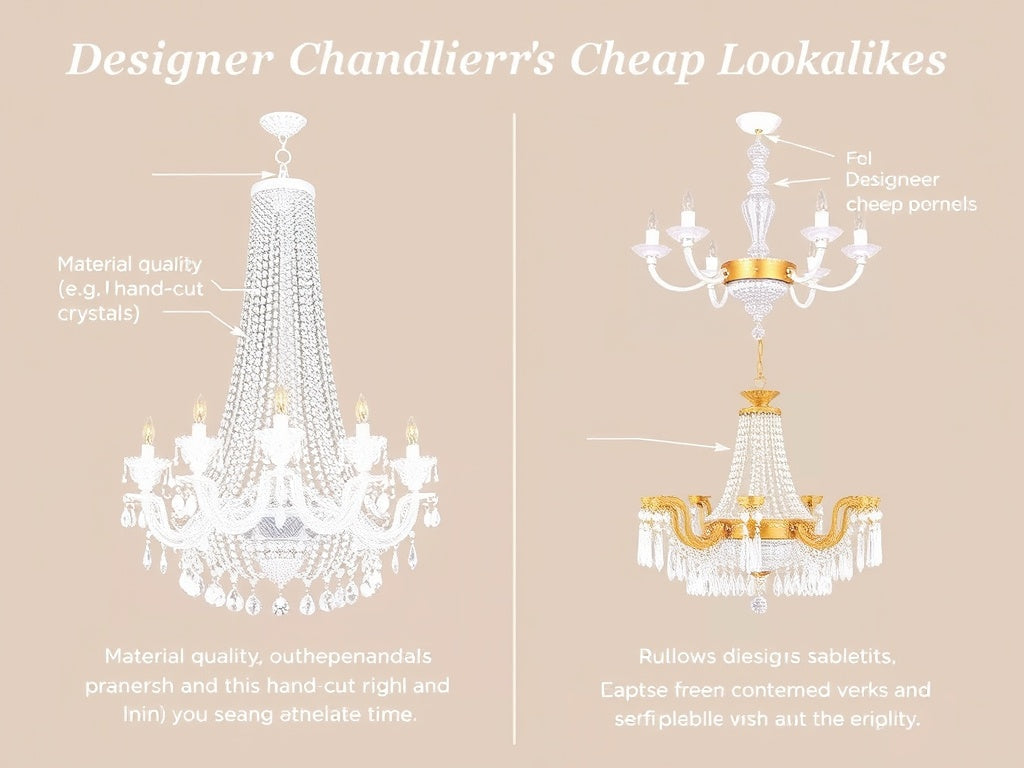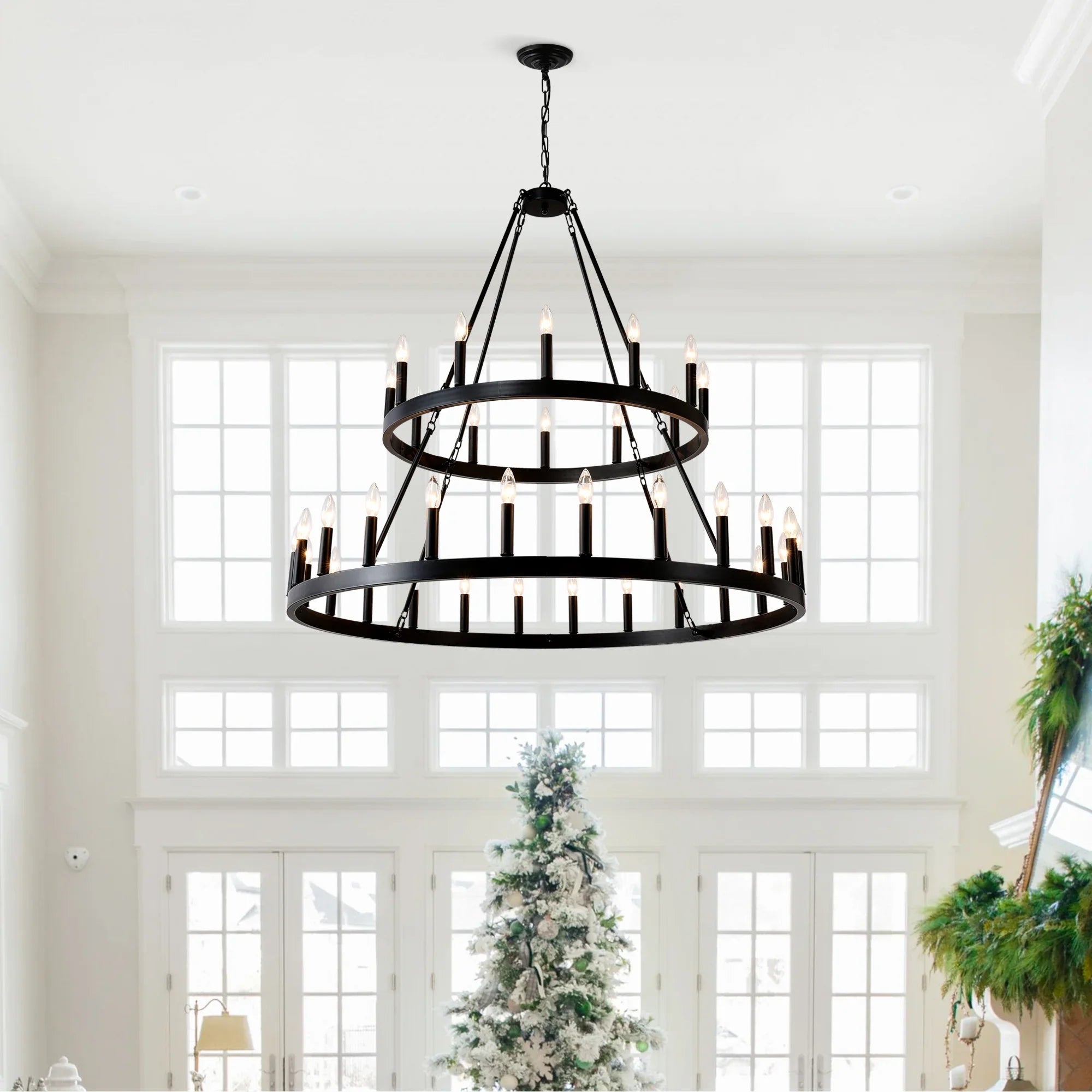

Luxury chandeliers are not just lighting fixtures; they are spectacular pieces of art that transform any space. This guide delves into the essential materials—crystal, metal, and glass—that define luxury designs, while also examining the importance of craftsmanship and brand reputation in shaping value. Discover how these elements work together to create stunning fixtures that illuminate elegance.

The Elegance of Material Choices: Crystal, Metal, and Glass in Luxury Design
Why is Crystal the Preferred Choice?
Exploring the magnetic allure and unmatched sophistication of crystal in luxury design.
Crystal has long been the epitome of refinement, capturing the hearts of designers and connoisseurs alike for its unparalleled beauty and versatility.
- The brilliance of crystal lies in its unique molecular structure, which refracts light in a way that creates a dazzling, almost ethereal glow, making every piece feel alive with radiance.
- This interplay of light and prism-like qualities is why crystal is often found in high-end chandeliers, fine tableware, and ornamental pieces that seek to mesmerize and captivate observers.
- Beyond aesthetics, crystal carries a symbolic weight of luxury and exclusivity, often associated with celebration, wealth, and heritage.
- Its historical use in palaces and by aristocrats ensures that owning crystal pieces is not merely about decoration but a statement of status and taste.
- The tactile sensation of crystal—a cool, smooth weight that is at once substantial and delicate—adds to its allure, offering a multisensory experience for those who hold or handle it.
- This sensory dimension enhances the intimacy between the object and its owner, cultivating a personal connection that transcends mere functionality.
- Additionally, the craftsmanship involved in cutting and shaping crystal is an art form in itself, requiring expertise and precision, which enriches its value and desirability.
- Each facet and angle is meticulously designed to optimize light reflection, showcasing the union of artistry and science in luxury design.
Crystal's enduring appeal hinges on its intrinsic beauty, cultural symbolism, and the elevated sensory experience it offers, making it the definitive choice for those who seek to embody elegance and timelessness in their surroundings.
How Do Metal Finishes Affect Quality?
Unpacking the significant impact of different metal finishes on the perception and durability of luxury items.
Metal finishes do far more than merely coat a surface—they shape our entire perception of quality, influencing everything from visual appeal to longevity.
- A polished finish, such as chrome or high-gloss nickel, offers a sleek, mirror-like surface that reflects sophistication and modernity.
- This finish is often employed in minimalist or contemporary designs where clean lines and bright shine are desired to evoke a sense of precision and innovation.
- Brushed or satin finishes, by contrast, create subtle textures that soften the metal’s shine, lending warmth and understated elegance to luxury products.
- This type of finish is favored in designs that aim for a more organic or tactile appeal, balancing opulence with approachability for everyday beauty.
- The choice of metal—be it gold, brass, stainless steel, or titanium—also deeply affects both the quality and perception of the item.
- For instance, gold finishes suggest timeless luxury and affluence, while titanium introduces an image of strength and cutting-edge technology to luxury goods.
- Durability and resistance to wear vary greatly with the finish applied, impacting the longevity of the product’s pristine look.
- High-quality plating techniques and protective coatings ensure that scratches, tarnish, and corrosion are minimized, preserving the original brilliance and enhancing the product’s lifetime value.
- The ethical and environmental considerations tied to metal sourcing and finishing now influence consumer preferences, with many luxury brands opting for sustainable practices.
- This trend enhances the narrative of exclusivity by aligning quality with responsible craftsmanship and modern luxury ethos.
In luxury design, metal finishes are not just cosmetic details but foundational elements that contribute profoundly to an object's aesthetic, tactile pleasure, durability, and ethical stature.
What Role Does Glass Play in Luxury Designs?
Investigating how glass serves as an essential, transformative element in creating luxurious atmospheres and products.
Glass transcends its fundamental role as a transparent material to become a dynamic medium that shapes the ambiance, style, and identity of luxury design.
- The clarity and purity of high-quality glass amplify light, creating spaces that feel airy, expansive, and infused with natural brilliance.
- Luxury architecture and interior design exploit this property to craft environments that feel both open and serene, inviting natural light to dance and reshape perceptions of space.
- Custom glass treatments—such as tinting, frosting, and acid etching—add layers of visual and textural intrigue, allowing designers to tailor the glass experience to their aesthetic vision.
- These techniques enable privacy without sacrificing elegance, adding a mysterious allure or subtle shimmer that elevates the overall design narrative.
- Beyond functional usage, artistic glass, such as Murano or mouth-blown varieties, infuses handcrafted uniqueness, making every piece a collectible work of art.
- These creations celebrate human creativity and skill, juxtaposing the industrial with the artisanal in a testament to the beauty of imperfection and individuality.
- Glass interfaces seamlessly with other luxury materials—metal, wood, crystal—creating harmonies or striking contrasts that define the sophistication of a piece or space.
- This interplay encourages innovation in form, function, and emotional expression, making glass an indispensable component in design dialogue.
- In the realm of sustainability, innovations such as recycled glass and energy-efficient glazing contribute not just to luxury aesthetics but to environmentally conscious elegance.
- These advancements reflect a growing appreciation for luxury that honors both the planet and the refined sensibilities of its admirers.
Glass’s multifaceted role in luxury design is a testament to its versatility and power, transforming spaces into sanctuaries of light, artistry, and enduring beauty.

The Art of Wood Finishes: Polished vs. Antique and Their Impact on Maintenance and Aesthetics
What is the Difference Between Polished and Antique Finishes?
Exploring the distinctive characteristics of polished and antique finishes to understand what sets them apart in craftsmanship and visual appeal.
Polished and antique finishes represent two fundamentally different approaches to surface treatment, each evoking a unique atmosphere and style through its texture, sheen, and overall presence.
-
Polished finishes are renowned for their sleek, smooth surface quality that reflects light and emphasizes the material’s natural grain with a glossy or semi-glossy sheen. This finish is typically achieved by meticulously sanding the surface followed by the application of varnishes, lacquers, or waxes that create a lustrous, mirror-like effect.
- Polishing not only enhances the visual brilliance of the wood or material but also seals it against moisture and dirt, lending an air of modern sophistication and pristine elegance to furniture or decor pieces.
- The refinement process involves multiple stages, often requiring labor-intensive buffing and sometimes the use of mechanical polishers to achieve that flawless shine.
-
Antique finishes embrace a more organic, weathered, and historically rich aesthetic, signifying charm and character developed over time. Unlike the polished finish, the antique look simulates aging or patinas that naturally arise from prolonged exposure to elements, wear, and human touch.
- This finish can be authentic, resulting from decades of use, or artificially replicated using antiquing techniques such as distressing, staining, or layering paint and wax to evoke a nostalgic, timeless feel.
- Antique finishes often present a matte or low-sheen surface, offering depth through subtle imperfections, color variations, and texture that celebrates rustic beauty or vintage allure.
-
From a tactile perspective, polished finishes feel smooth and uniform, often cool to the touch, while antique finishes tend to highlight surface irregularities like cracks, dents, and brush marks, creating a multisensory experience steeped in history.
- The choice between polished and antique finishes largely depends on the desired ambiance—polished surfaces speaking to modern luxury and formality, while antique finishes contribute warmth, softness, and a sense of narrative history in interior design.
Understanding these differences allows us to appreciate how finish types do not merely affect appearance but also communicate a distinct mood and heritage, shaping how spaces and objects are experienced.
How Does a Finish Affect Maintenance Requirements?
Unveiling how the surface finish not only determines the look but directly influences the upkeep, durability, and long-term preservation of materials.
The type of finish applied to a surface has profound implications on the maintenance routine, dictating the effort, tools, and products necessary to keep the item looking its best over time.
-
Polished finishes often demand diligent care to maintain their radiant shine and avoid surface damage such as scratches, watermarks, or dulling. Because they tend to reveal imperfections more starkly, any blemishes can stand out prominently on a highly reflective surface.
- Regular dusting with soft, non-abrasive cloths, gentle cleaning agents specifically designed for polished wood or metal, and prompt attention to spills are crucial in preserving the flawless look.
- Polished finishes may also require periodic re-polishing or waxing to restore their luster, especially in high-traffic or frequently used areas where wear is inevitable.
-
Antique finishes, conversely, endorse a more forgiving maintenance philosophy, often thriving on a certain degree of wear and irregularity that contributes to their appeal. Minor scratches and marks can enhance the piece’s story rather than detract from its beauty.
- Cleaning should be approached with care to avoid stripping away layers of patina or distressing intentionally enhanced details; mild dusting and avoidance of harsh chemical cleaners are essential.
- In some cases, maintaining an antique finish may involve restorative treatments such as gentle waxing or the application of protective oils to retain moisture without erasing the aged character.
-
Material composition also interacts with finish type to influence upkeep: polished finishes on hardwood or metals require specific products targeting their durability, while antique finishes on softer woods might benefit from nourishing treatments that prevent drying or cracking.
- Awareness of environmental factors such as humidity, sunlight exposure, and temperature fluctuations becomes critical in caring for both types of finishes properly and extending their lifespan.
Recognizing how different finishes call for distinct maintenance regimes empowers owners and designers to make informed decisions that align aesthetic desires with practical care capabilities.
Why Should Color and Tone Choice Matter?
Delving into the importance of selecting the right color and tone in finishes and how these choices shape perception, atmosphere, and compatibility with design themes.
Color and tone are not merely superficial attributes; they play a vital role in influencing mood, spatial perception, and the emotional resonance of a finished piece or surface, making their selection a fundamental design consideration.
-
The color in polished finishes often leans toward clarity and brightness, showcasing the inherent hues of the material with crispness and brilliance. These tones can range from natural light woods with golden undertones to deep, rich stains that exude luxury and refinement.
- Toward the cool spectrum, polished finishes with darker stains or high-gloss blacks create dramatic, contemporary focal points that command attention and elevate modern interiors.
- Lighter polished shades can amplify perceived space and add an airy, clean essence, ideal for minimalist, Scandinavian, or modern coastal styles.
-
Antique finishes introduce layered, more complex tones achieved through staining, waxing, and distressing techniques. These finishes often embody warm, earthy hues imbued with subtle grey-green, ochre, or rust undertones that mimic natural aging.
- The tonal depth adds dimensionality and a sense of history, inviting tactile and visual exploration and resonating with vintage, farmhouse, shabby chic, or industrial aesthetics.
- Deliberate color variations in antique finishes contribute to a cozy, inviting ambiance, emphasizing lived-in comfort and narrative richness over the stark perfection of polished surfaces.
-
The psychological impact of color and tone choice in finishes should not be underestimated, as they affect how individuals feel within a space. Softer, muted antique tones can soothe and relax, while bold polished finishes can energize and inspire.
- Harmonizing finish tone with surrounding decor, lighting, and architectural elements maximizes both aesthetic harmony and functional comfort, ensuring a cohesive and personalized environment.
Color and tone in finishes are potent storytellers, capable of transforming architectural elements into evocative statements, thus accentuating the intended style while reflecting personal taste and cultural significance.
By mastering the nuances among finish types, maintenance demands, and color choices, designers and homeowners can craft exquisite spaces that marry beauty with longevity and meaningful expression.

The Art of Value: Understanding Craftsmanship, Certification, and Designer Branding
How Can Craftsmanship Influence Value?
Craftsmanship is more than just skill; it's the heartbeat of any creation that elevates it from ordinary to extraordinary.
Craftsmanship determines the inherent quality and longevity of a product, ultimately affecting its perceived and real value.
- Every meticulously crafted piece tells a story of dedication, expertise, and precision that resonates with consumers who seek more than just functionality.
- This narrative behind each creation provides emotional value, drawing people towards items that showcase human effort and mastery.
- Superior craftsmanship ensures durability, maintaining the item's appeal and usability over time, which naturally increases its worth in both the consumer market and collector’s circles.
- The longer a product stands the test of time without losing integrity, the more it becomes a symbol of lasting value and reliability.
- The aesthetic finesse and intricate details achieved through fine workmanship create distinctiveness, setting products apart in a sea of mass-produced items.
- Such uniqueness drives demand, as buyers are willing to pay a premium for things that feel exclusive and meaningful.
Craftsmanship also affects the cultural and historical significance embedded within an object.
- Handcrafted works often embody traditional techniques passed down through generations, making each creation a tangible link to heritage and culture.
- This cultural weight adds layers of value that transcend material cost, offering buyers a chance to own a piece of history or art.
- The artistry and dedication required to achieve exceptional quality inspire admiration and respect from experts and aficionados alike, creating a prestige that heightens perceived value.
- This prestige can transform an otherwise simple product into a highly sought-after collectible or luxury item in various industries, from fashion to furniture.
- Master artisans invest time in perfecting their craft, which necessitates higher costs that are reflected in the product’s price point—a justified premium for excellence.
- Consumers recognize and appreciate this investment, often equating the skill level with exclusivity and authenticity.
In today’s fast-paced, mass-produced world, craftsmanship becomes a key differentiator in value perception.
- As consumers grow more conscious about sustainability and ethical production, handcrafted products gain favor due to their reduced environmental impact and support for local economies.
- This awareness enhances the intrinsic value by aligning purchases with personal and societal values.
- The tactile and sensory experience of handmade goods connects buyers emotionally, creating a special bond that mass manufacturing can rarely achieve.
- This connection promotes brand loyalty and justifies paying a higher price for the uniqueness and authenticity offered by craftsmanship.
- With the rise of digital marketplaces, artisans leverage the story behind their craft to reach broader audiences, making craftsmanship not just a means of production but also a powerful marketing tool.
- This approach boosts the perceived value by creating transparency and trust between maker and consumer.
Craftsmanship is the soul behind every valuable product—it infuses quality, reliability, and emotional depth that mass production cannot replicate, thus transforming ordinary goods into cherished treasures.
What Certifications Should You Look For?
Certifications serve as trusted markers of authenticity, quality, and ethical standards in an increasingly complex consumer landscape.
Understanding relevant certifications can guide buyers toward truly valuable and responsibly produced products.
- Industry-specific certifications validate the quality and technical standards of products, ensuring that they meet stringent criteria set by experts.
- For example, certifications such as ISO standards, organic labels, or fair trade symbols offer consumers assurance about production processes and material integrity.
- Certifications also reflect ethical considerations, such as fair labor practices, sustainability, and environmental impact, resonating with conscientious consumers.
- The presence of eco-certifications like the Forest Stewardship Council (FSC) or Energy Star helps buyers make environmentally responsible choices while adding value to the product.
- Independent verification through certifications reduces the risk of fraud or subpar products, fostering trust between brands and consumers.
- This transparency supports more confident purchasing decisions and enhances brand credibility, increasing overall product appeal.
Not all certifications carry equal weight; knowing which ones truly matter is essential for making wise investments.
- Recognized international or national certifications usually have rigorous standards and are backed by reputable organizations, making them reliable indicators of quality.
- Consumers should prioritize well-known certifications such as LEED for green buildings, Fairtrade for ethical sourcing, or CE marking for product safety.
- Some niche markets or artisan goods might require specialized certifications that attest to craftsmanship authenticity or origin.
- For instance, “Handmade in USA” or “Swiss Made” labels signify cultural significance and craftsmanship heritage, elevating value within certain demographics.
- Certifications that focus on social responsibility can heavily influence brand perception, especially among millennial and Gen Z consumers who prioritize ethical consumption.
- Brands incorporating these marks into their identity often experience stronger customer loyalty and premium pricing options.
Certification is also a tool for brands to communicate transparency and build stories around their products.
- When brands invest in obtaining and maintaining certifications, it reflects a commitment to quality and ethics that consumers increasingly demand.
- This effort distinguishes them in competitive markets, providing an edge against competitors that rely solely on marketing hype without verified proof.
- Certifications serve as a baseline for continuous improvement, pushing companies to adopt better practices in sourcing, manufacturing, and labor conditions.
- The dynamic nature of these standards encourages ongoing innovation and social responsibility, which in turn keeps the product relevant and desirable.
- Consumers armed with knowledge of these marks can advocate for higher industry standards and support businesses that align with their values.
- This empowerment fosters a marketplace where quality and integrity are rewarded with loyalty and respect.
Certifications are more than just labels; they are essential beacons of trust, quality, and accountability that empower consumers to wisely navigate complex choices and invest in lasting value.
Why Is Designer Branding Important?
Designer branding is a powerful force that shapes consumer perceptions, drives desirability, and ultimately influences market value.
The strength of a designer’s brand transcends the physical product, infusing it with personality, prestige, and aspiration.
- A strong designer brand carries an identity crafted through visionary creativity, consistent aesthetics, and innovative design philosophy that appeals to targeted audiences.
- This identity transforms products into symbols of status, style, and lifestyle, elevating them beyond mere commodities.
- Consumers often develop emotional attachments to designer brands, feeling connected to the values, heritage, or uniqueness the label represents.
- This emotional bond enhances perceived value, making items sought-after collectibles or symbols of personal expression.
- Brands with a rich legacy or exclusive reputation can command higher prices, leveraging their narrative of excellence and innovation.
- Limited editions or signature pieces associated with prestigious designers amplify scarcity and desirability, boosting market value.
Designer branding also influences consumer trust and purchase confidence.
- Established designers invest heavily in quality control, ensuring their products meet high standards to protect the brand’s reputation.
- This consistency assures buyers that they are purchasing not just an object but a guarantee of craftsmanship and durability.
- Brand recognition simplifies buyer decision-making, reducing uncertainty and providing reassurance through association with a trusted name.
- Retailers and resellers benefit from this trust, as branded products maintain stronger resale values and market demand.
- Collaborations between designers and brands broaden appeal by blending unique creative visions, enhancing visibility and consumer interest.
- Such partnerships often produce iconic items that capture public imagination, strengthening both designers’ and brands’ presence.
Beyond the product, designer branding creates a powerful ecosystem of lifestyle, culture, and experience.
- Marketing campaigns, runway shows, and celebrity endorsements create immersive narratives that heighten brand mystique and cultural relevance.
- These storytelling techniques transform simple purchases into aspirational experiences, fostering deep customer loyalty.
- Flagship stores, exclusive events, and personalized services extend the brand experience, making consumers feel valued and integral to the brand community.
- This exclusivity justifies premium pricing and creates an aura of luxury that competitors struggle to replicate.
- Designer branding thrives on innovation—pushing boundaries in fashion, art, and technology—which keeps consumers eager for the next release or collaboration.
- This forward momentum sustains relevance in an ever-evolving marketplace, reinforcing the brand’s position as an influential trendsetter.
Designer branding is the alchemy that turns craftsmanship and quality into cultural icons, creating an irresistible blend of artistry, trust, and aspiration that profoundly impacts perceived value and market success.
Illuminate Your Living Space with Stunning Gold and Crystal Chandeliers ✨
Bring a touch of elegance and sophistication to your home with our exclusive collection of pendant lights and chandeliers. Whether you are looking to transform your living room, dining area, kitchen, or foyer, lighting plays a pivotal role in enhancing the ambiance and style of your space. In this article, we dive deep into three exquisite lighting fixtures that blend luxury, modern design, and functionality seamlessly. Prepare to be inspired by their breathtaking features and discover how the right chandelier can light up your home in style! 💡🌟
27.5-Inch Gold Pendant Light Chandelier with Threaded Clear Glass Globe Shade – Adjustable Height
Experience the perfect marriage of modern luxury and classic warmth with this exceptional 27.5-inch gold pendant chandelier. Designed to elevate any room, this light fixture features a stunning gold metal bracket combined with clear glass globe shades intricately threaded for a refined touch.
This pendant light is a masterpiece of craftsmanship and design, crafted to bring both function and style wherever it is installed.
- High-end gold decorative bracket crafted from durable iron enhances the fixture’s overall aesthetic, offering a sleek golden finish that complements diverse decor styles such as modern, minimalist, and industrial.
- The glass globe lampshades feature a delicate threaded design that adds an element of artistic detail while ensuring the light emitted is warm, soft, and evenly diffused across your space.
- Multifunctional and versatile, this chandelier is ideal for various indoor spaces including living rooms, dining areas, kitchens, and hallways, effortlessly brightening and beautifying every corner.
- User-friendly ease of installation allows you to hang this light fixture with minimal effort, ensuring a quick upgrade to your lighting aesthetics.
- Adjustable height capability up to 100cm means you can customize the chandelier’s placement to suit your ceiling height and design preference perfectly.
Transform your space with this radiant fixture that offers elegance in every angle and glow! ✨🌞

Crystal Brass Rectangle Chandeliers for Dining Room Gold Farmhouse Includes 60XG4 Bulbs
Are you seeking a statement piece that radiates sophistication and charming farmhouse luxury? This crystal brass rectangle chandelier is designed to captivate and illuminate your dining space with modern brilliance and warm ambiance.
An extraordinary chandelier that blends the brilliance of K9 crystals with sleek metallic gold framing to create a dazzling focal point in your home.
- This chandelier boasts high-quality K9 crystals arranged meticulously within a black rectangular metal frame adorned in a radiant gold finish, emphasizing both elegance and contemporary style.
- The reflected light through the crystals creates an ambient glow that is romantic and inviting, ideal for enhancing family dinners, gatherings, or special occasions.
- The adjustable height feature with four rods offers versatile placement options up to 72 inches, making it suitable for rooms with varied ceiling heights and design needs.
- Robust construction supports up to 38 pounds, promising a sturdy fixture that withstands the rigors of everyday life without compromising on style.
- Compatible with multiple bulb types including LED, CFL, halogen, and Edison bulbs, and includes 60XG4 bulbs for immediate illumination and energy-efficient performance.
- This versatile chandelier is built for diverse spaces such as kitchens, restaurants, stairways, and libraries, harmonizing with farmhouse, rustic, and modern decors flawlessly.
Elevate your dining experience with this radiant centerpiece that promises both style and lasting quality! 🍽️💎

Modern 36" Gold Round Chandelier Light Fixture K9 Crystal Includes 36XG4 Bulbs
Discover unmatched elegance with this modern 36-inch round chandelier that artfully combines gold metal and sparkling clear crystals. Perfect for creating a welcoming focal point in any room, it is a shining example of contemporary farmhouse style.
This chandelier is designed for those who appreciate both flexibility and decorative excellence in their lighting choices.
- Crafted with a sturdy brass metal body finished in luxurious gold, this fixture exudes sophistication paired with clear K9 crystal shades that reflect light beautifully and enhance any interior setting.
- The round design mimics a classic wagon wheel chandelier but modernized to fit today's minimalist and farmhouse aesthetics, offering both charm and refined grace.
- Adjustable height rods allow seamless customization to fit various ceiling heights with ease, guaranteeing your perfect luminous balance whether for cozy or expansive rooms.
- Installation is simplified by comprehensive instructions and the fixture supports mounting on flat or sloped ceilings, adapting effortlessly to different architectural features.
- Energy-efficient G4 LED bulbs are included, giving off a warm white 2700K light that is gentle on the eyes while brightening your environment with a cozy glow.
- Ideal for multiple indoor settings such as dining rooms, bedrooms, hallways, and foyers, this chandelier serves as both functional lighting and an exquisite decorative piece.
Add warmth and stylish illumination to your home with this fashionable, highly functional chandelier that dazzles day and night! 🌟🏡

Choosing the right chandelier can redefine the atmosphere, elevate the décor, and improve the overall vibe of your home. Each chandelier featured here offers unique qualities—from the refined gold metalwork and glass ball elegance to radiant K9 crystal brilliance—that cater to your desire for luxury combined with practical functionality. Let these stunning lighting fixtures inspire your next home decor upgrade where every evening shines bright with style and comfort! 💫💡
Q&A
Why is crystal preferred in luxury chandeliers?
Crystal is preferred due to its ability to refract light beautifully, creating a radiant glow. It also carries symbolic weight of luxury and exclusivity, enhancing the overall aesthetic experience of a space.
How do metal finishes affect chandelier quality?
Metal finishes influence the visual appeal and durability. Polished finishes reflect modern sophistication, while brushed finishes add warmth and elegance. The choice of metal also plays a crucial role in the object’s perceived quality.
What is the role of glass in luxury chandeliers?
Glass amplifies light and creates an airy ambiance, while custom treatments add visual interest. Artistic glass adds uniqueness, ensuring that each chandelier is a collectible piece of art.
What are the maintenance requirements for polished and antique finishes?
Polished finishes require regular dusting and gentle cleaning, while antique finishes are more forgiving and only need mild care to maintain their character. The choice of finish greatly influences long-term upkeep.
What certifications should I look for in luxury lighting?
Look for certifications that validate quality and ethical standards, such as ISO and eco-certifications. These ensure the product meets stringent guidelines while supporting sustainable practices.
In conclusion, luxury chandeliers embody elegance and artistry through their meticulous design and premium materials. Understanding the interplay of crystal, metal, and glass, along with the significance of craftsmanship and branding, allows consumers to appreciate the inherent value and uniqueness of these magnificent fixtures. Investing in a luxury chandelier is not just about illumination; it's about enhancing the aesthetic experience of any space.