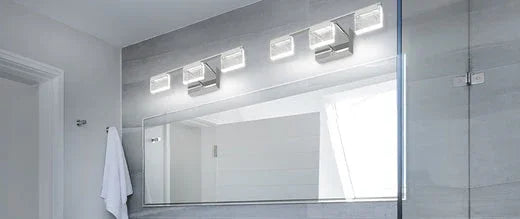

The entryway of your home is more than just a passage; it is the threshold where first impressions are formed. Often overlooked, this space holds immense potential to reflect your personal style while setting the tone for your entire home. A beautifully designed entryway isn’t just for impressing guests—it also creates a welcoming environment that can uplift your mood every time you step through the door. Here, we delve into the ultimate guide for transforming your entryway into a captivating and functional space.
Why Your Entryway Matters
Your entryway is the first and last impression of your home. A thoughtfully styled entryway:
- Reflects your personality and design aesthetic.
- Enhances the overall flow and harmony of your home.
- Provides functional benefits, offering lighting, storage, and decorative opportunities.
The Three Pillars of Entryway Design
Achieving a cohesive and stunning entryway revolves around three fundamental aspects: lighting, style, and scale.
1. Mastering Entryway Lighting
Lighting is the soul of any space, and your entryway is no exception. Proper lighting creates an inviting ambiance while improving functionality.
Layered Lighting for Depth and Warmth
Combining multiple lighting sources ensures your entryway is both practical and visually appealing.
- Overhead Fixtures: Chandeliers or pendant lights serve as statement pieces, creating a focal point while providing general illumination.
- Accent Lighting: Wall sconces or table lamps add warmth and depth, balancing the overhead light.
- Task Lighting: A slim-profile lamp on a console table or shelf offers functional lighting for practical activities like searching for keys.
Pro Tip: Install dimmer switches to adjust lighting intensity based on time of day or occasion.


OKELI Modern LED Black Chandelier,Dimmable Circular Pendant Lights 2-Rings
139.99 USD
155.99 USD


OKELI Modern LED 5 Rings Gold Large Chandelier, Dimmable High Ceiling Foyer Chandelier Light Fixtures
399.99 USD
444.99 USD
Avoiding Common Lighting Pitfalls
The "runway effect," caused by lining downlights in a straight corridor-like pattern, can make your entryway feel cold and sterile. Instead, opt for staggered lighting placements or add accent lighting to soften the space.
2. Showcasing Personal Style with a Statement Piece
Your entryway is a blank canvas for creativity. A well-chosen centerpiece, like a bold piece of artwork, a mirror, or a unique furniture item, can transform the space.
The Role of Statement Lighting
A large pendant light or modern chandelier can serve as both functional and decorative elements, giving the space personality and elegance.
Incorporating Mirrors for Light and Space
Mirrors amplify natural and artificial light, making small entryways appear larger and brighter. Pair a statement mirror with a console table for a polished look.
Pro Tip: Position the mirror to reflect a light source or a visually appealing piece of décor for maximum impact.
Layering Décor for Depth
Pair your statement lighting with:
- Artwork: Choose pieces that align with your home’s aesthetic.
- Furniture: A slim console table or a bench provides utility without overwhelming the space.
- Accessories: Add vases, candles, or seasonal decorations for a personal touch.
3. Perfecting Scale and Proportions
Designing the entryway is all about balance. Oversized furniture in a compact space or undersized décor in a large foyer disrupts the visual harmony.
Sizing Overhead Fixtures Correctly
Hang overhead lighting so the bottom is about 2 meters (6.5 feet) above the floor. This height creates a balanced visual effect while maintaining functionality.
Pro Tip: For smaller entryways, select a fixture proportionate to the space to avoid visual clutter.
Balancing Furniture and Décor
- Use a larger console table or seating option in expansive entryways.
- In smaller spaces, opt for narrow furniture and vertical décor elements to maximize functionality without feeling cramped.
Designing for Non-Traditional Entryways
If your home lacks a designated foyer, create a “faux” entryway with these tips:
- Define the Space: Use a rug to visually separate the entry area from adjacent rooms.
- Strategic Furniture Placement: Position a console table, coat rack, or bench to anchor the space.
- Lighting and Décor: Install a wall sconce or a pendant light and add artwork or mirrors to give the area purpose and style.
Tips for Seamless Transitions
To harmonize the entryway with the rest of your home, follow these guidelines:
- Maintain a consistent color palette with adjacent spaces.
- Use similar materials and finishes across furniture and lighting fixtures.
- Incorporate recurring design motifs, such as geometric shapes or metallic accents.
A well-designed entryway combines the right lighting, personal style, and thoughtful proportions to create a space that is both inviting and functional. Whether your entryway is grand or compact, attention to these design principles will ensure a striking first impression and a welcoming atmosphere for you and your guests.
Transform your entryway into a masterpiece today with curated lighting and décor solutions tailored to your home.